Wales’ Sea Fishing ‘Off Season’
The latest sea angling blog from the pen of angling writer Dave Lewis – when the fishing is tough, what else can you do?
There’s no escaping the fact that here in Wales, the first couple of months of the year are without a doubt the most challenging for the sea angler. As I discussed in my last blog post. provided the weather remains fair then yes there are a few options to consider, if you want to fish either from the shore or a boat. But as we all know the weather patterns off the western side of the British Isles during the winter, are rarely anything better than unsettled. Thankfully there are several ways in which a sea angler can use his free time constructively, enjoying activities that in the long run will in all probability result in an extra fish or two on the beach or boat.
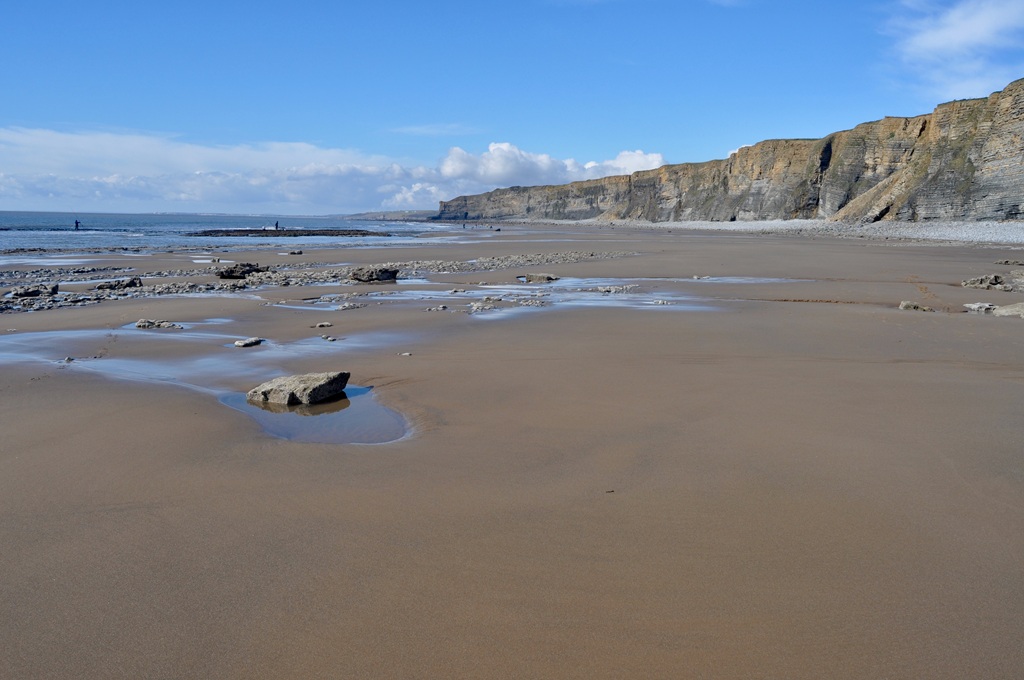
Like many if not most sea anglers that I know, I enjoy nothing more than a bracing winter walk along the coast with my dogs. Completed in 2012 the Wales Coast Path extends right around the coastline of Wales, from the Severn Bridges in the south east to the tidal Dee in the north east, a total of 870 miles. For anglers the coast path is a priceless asset, the perfect means to access anywhere along Wales’s rich and varied coastline…
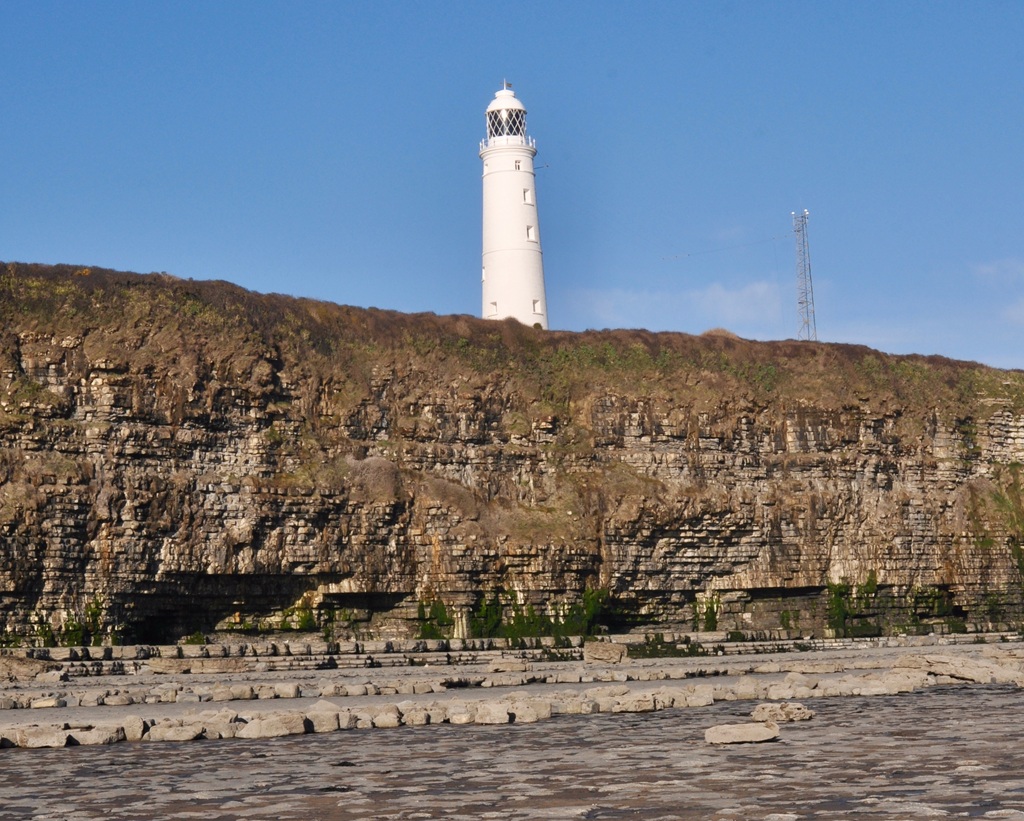
All sea anglers will be aware of the twice daily tidal cycles, and that the size or range of these tides varies continually throughout each month. Just to recap there are two types of tides, spring tides and neap tides, and each month is subjected to two complete sets of each. Spring tides have the largest range, meaning that during spring tides the tide comes in further and goes out further than the smaller neap tides. The best way to find out exactly what the tidal range is along with the exact times of high and low water at the area you are interested in on any particular date, is to consult a tide book.
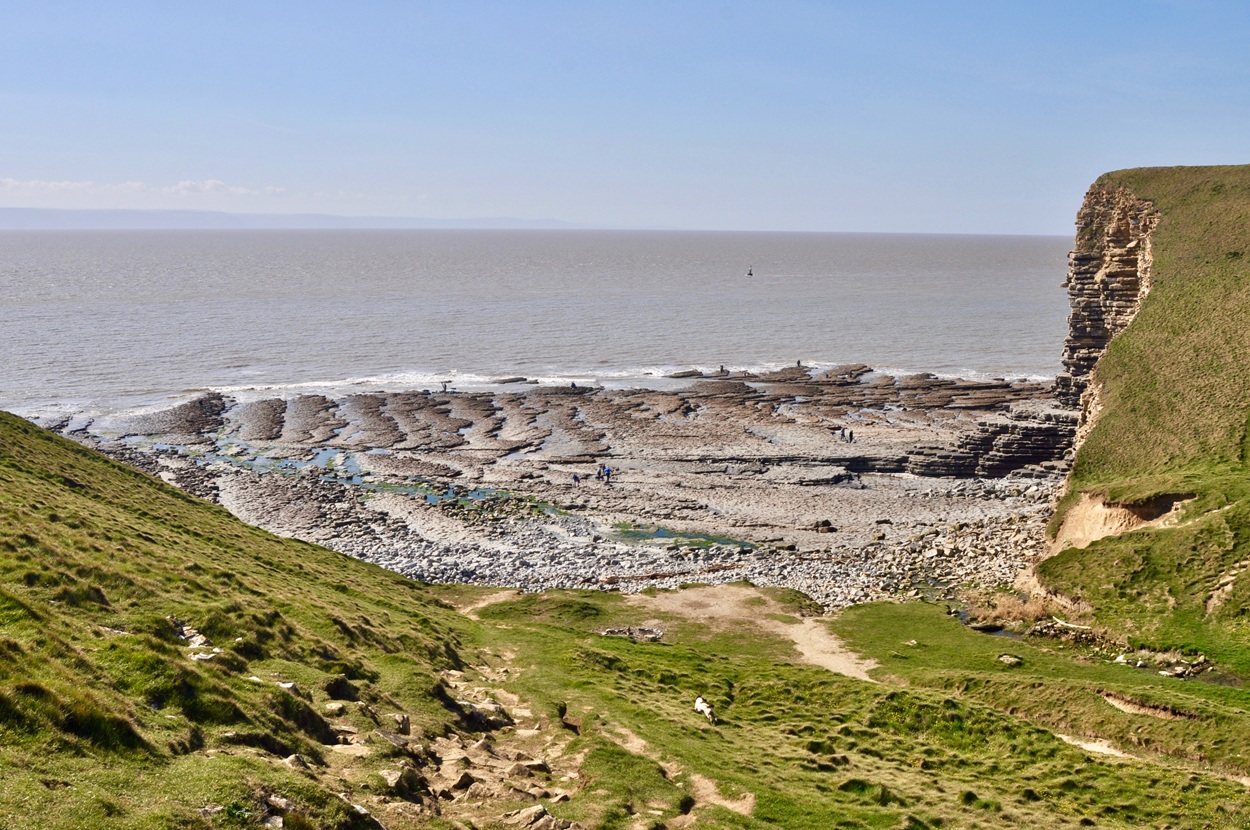
If you fish on a regular basis then often you’ll know roughly what the current tidal cycle is, but a brief glance into the night sky will quickly confirm things. A new moon and a full moon equates to the larger spring tides, first quarter and last quarter moon phases equates to neaps. For the record it is worth noting that the sizes of each spring and neap varies from month to month. The very largest springs and smallest neaps falling around the times of the spring and autumn equinox’s in March and September. At low water on a spring tide during the equinox the tide recedes to its furthest low water point, thus exposing the greatest amount of inter tidal coastline. And this is something every shore and even many boat anglers can use to their advantage.
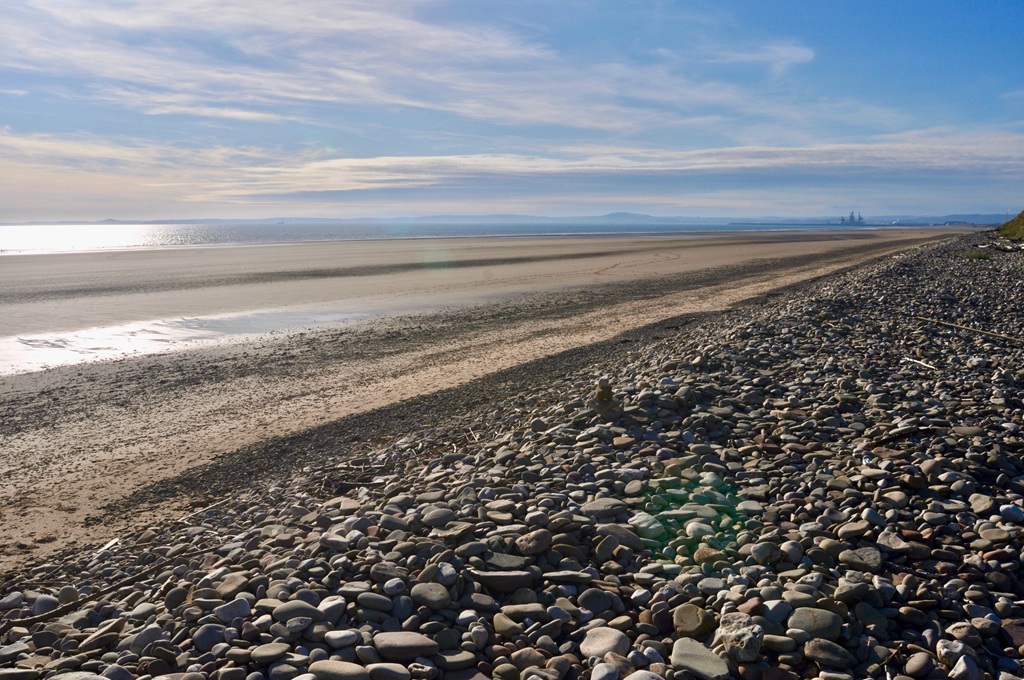
During a coastal walk coinciding with low water on a large spring tide, there is no better opportunity to get a real close up of the topography of the beach over which you will one day be fishing. It’s the perfect opportunity to take note of key features such as the deep gullies, through which species such as bass and smoothounds might forage when covered by the tide. Patches of sand and the area where a sandy beach sits against the edge of a reef are other features of note. Here you might expects to catch various species of ray and flatfish. Even on the seemingly vast and featureless expanse of a sandy surf beach at low water, you will still be able to identify shallow banks and gullies, subtle features which will attract fish when the tide returns.
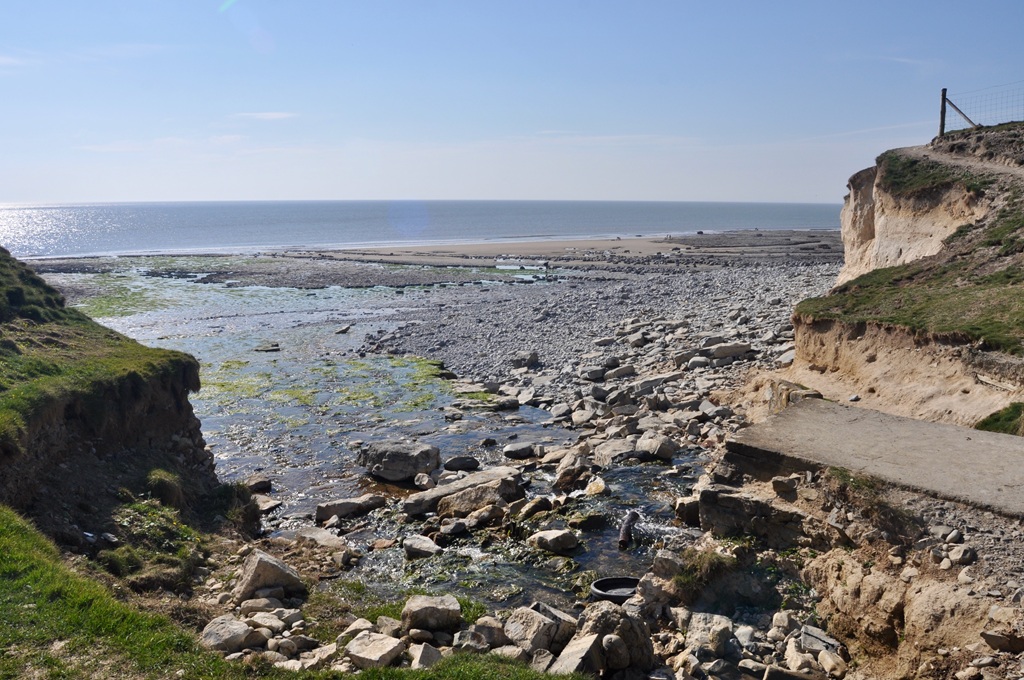
At low water you will also be able to identify and take either a mental or photographic note of areas to avoid, such as excessively rough tackle snagging outcrops of rock, groins or even small pieces of wreckage. Of course depending on location and time of year such features will also attract and hold various species of fish, but at least having identified them you will be able to decide how best to fish them, without losing excessive amounts of tackle.
Which brings me nicely to the next advantage of a low tide walk along a beach: tackle collecting! Sea anglers lose a lot of tackle throughout the year, with certain stretches of the coast being veritable tackle graveyards. Exposed over low water on a spring tide, they reveal what previously they have stolen from scores of anglers who might have fished them throughout the previous months. Lead weights are a profitable find, and at times in some areas it is easily possible to collect dozens of lost weights. Then there are the assorted terminal gear anglers use. Most of the rigs you find will be unusable, but most will have various rig building components including beads, booms, swivels, links and clips, many of which can be salvaged and used to retie fresh rigs.
I would never advise reusing old hooks, which almost always will be next to useless and unreliable. Likewise homemade lead weights made with non-stainless steel rig attachments should be either used with extreme caution, or melted down and remoulded. Aside from saving money by reusing lost tackle you’ll be doing a lot of good for the environment by removing lost traces, and especially the many yards of lost line attached to them, which in itself creates a snag that will result in even more lost tackle.
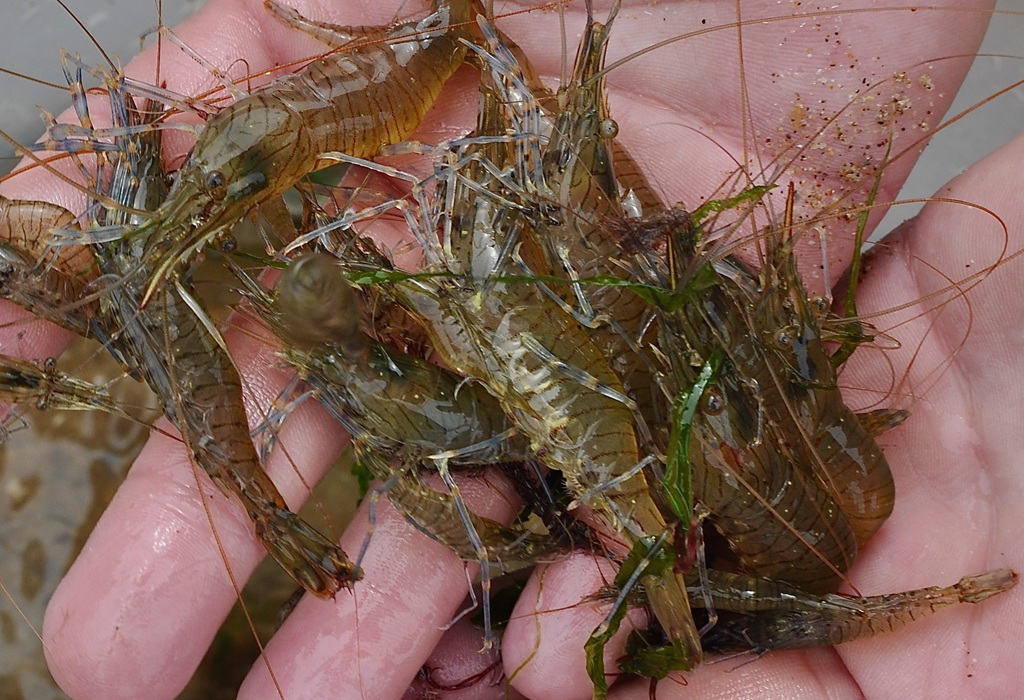
Bait is an essential for most sea anglers, and good quality bait is expensive. Vast expanses of inter-tidal real estate exposed by the larger tides invariably offers the sea angler an opportunity to gather their own bait, either for use fresh over the course of the next few days or to freeze down for use at a later date. Prime black lug freezes very well, and can be dug or pumped over low water on a spring tide on many Welsh beaches. Ragworm and smaller blow lug are also widely available, but these need to be used fresh within a day or two of digging.
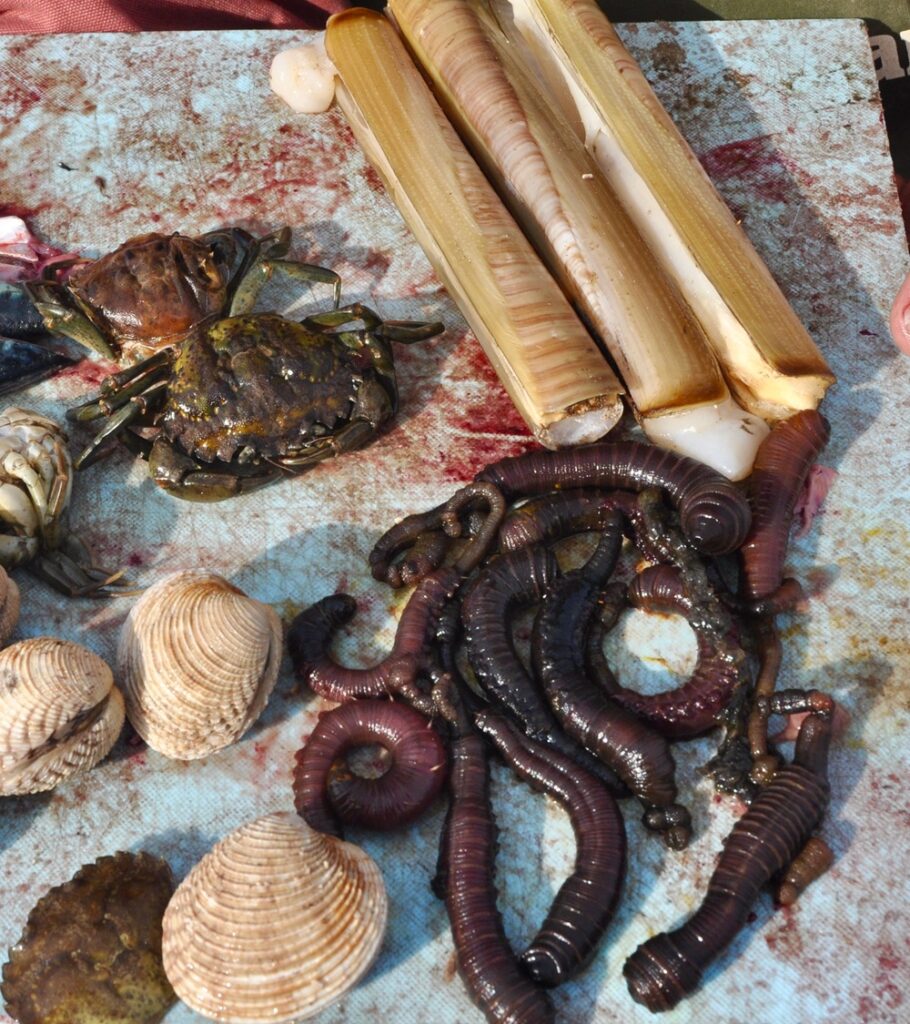
Some beaches hold substantial colonies of razorfish, or razor clams as the in vogue foodies call these superb baits. Easily gathered in good numbers by simply pouring a thimble full of dry salt directly into the key hole entrance to the razorfish’s burrow in the sand these juicy shellfish freeze very well, and make a truly superb bait for numerous species, notably bass when fished in the surf.
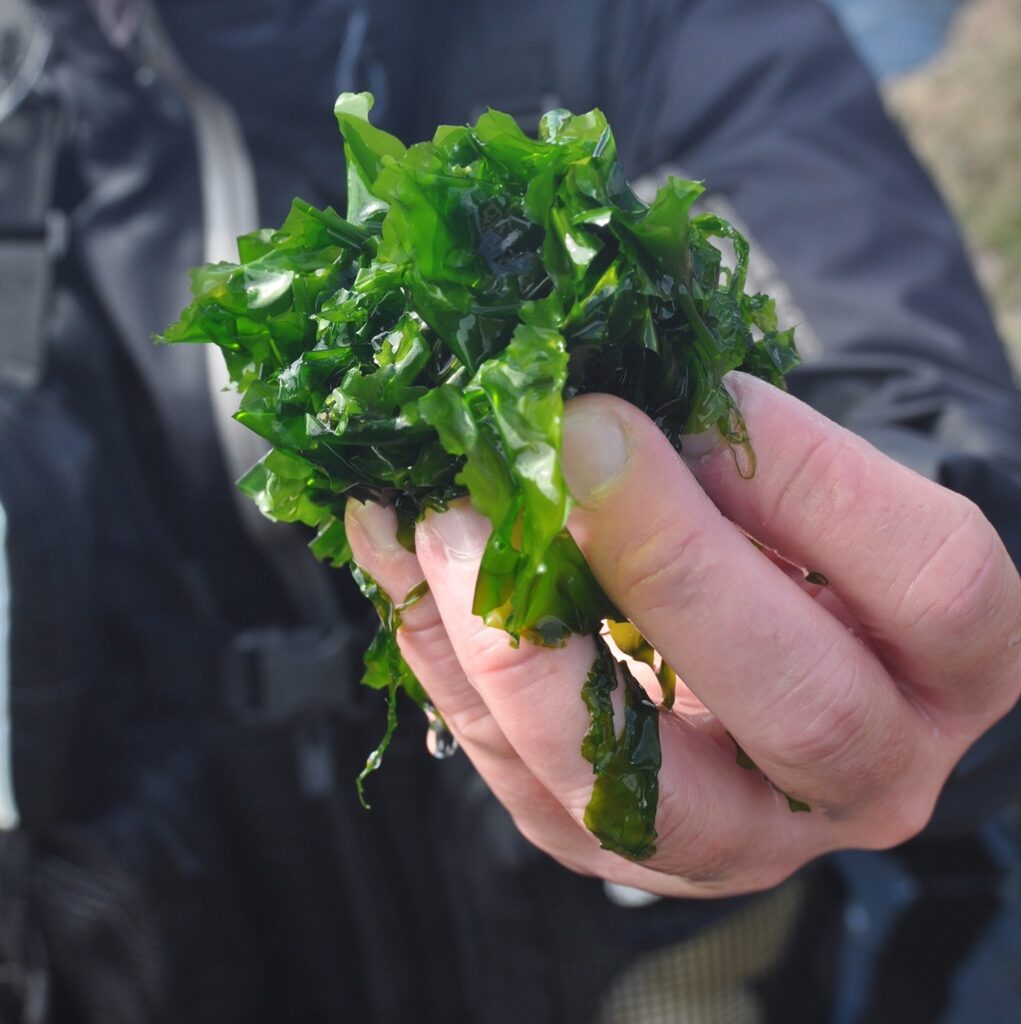
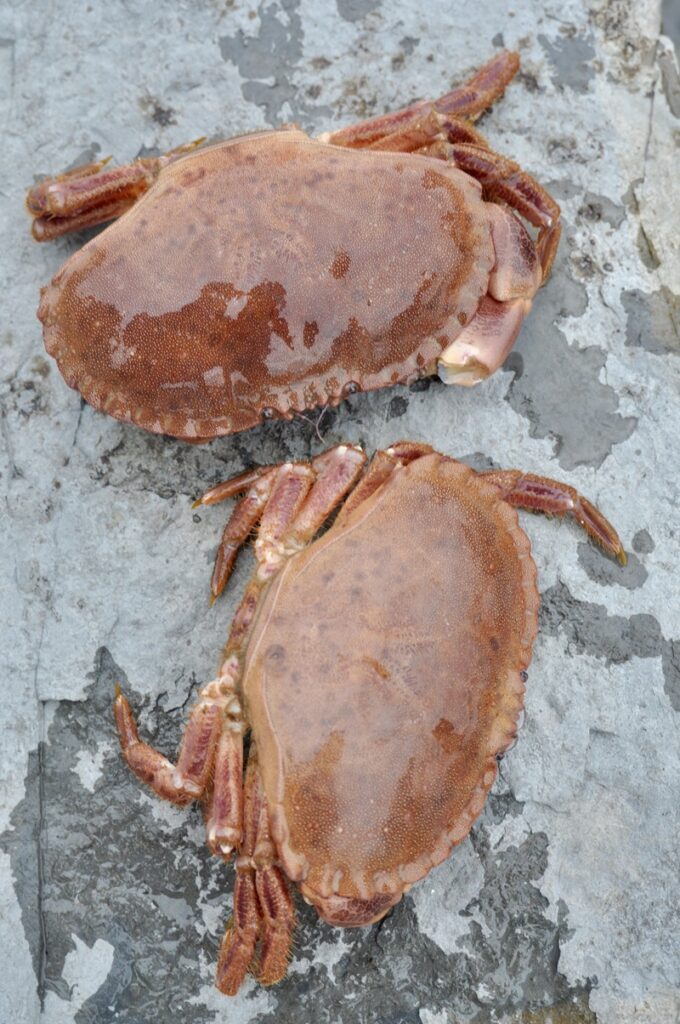
Depending on your location and the time of year other baits that can be gathered at low tide include peeler crabs, hermit crabs prawns, sandeels and various types of clams. In many areas you can also collect edible crabs, along with that iconic Welsh coastal delicacy, laverbread!
Words and Images: Dave Lewis
*Please note that in Wales the minimum size for landing edible crabs, Cancer paguru, is 140mm measured across the broadest part of the back. Finally, please remember to refill any holes you dig in sand or mud, and return all rocks lifted when looking for crabs to their original position.
Sea Fishing Wales' Top 10
I have been asked to write a blog profiling my favourite top ten fishing venues in Wales. On the face…
Read More
Take A Friend Fishing! 3rd of April to 19th of April 2026 inclusive
Make the most of Take a Friend Fishing this Spring, between Friday 3rd of April and Sunday 19th of April…
Read More
Cast into Spring: Fishing in Wales This Easter
As the days begin to stretch a little longer, spring arrives in Wales with a sense of renewed opportunities for…
Read More