No Cod? Try These! Winter Sea Species to target in Wales
In this latest blog from sea angling writer Dave Lewis we take a look at the winter sea fishing species you can target, when stocks of cod are thin on the ground.
It’s the last week of December, and I’m seated at my desk staring at a blank page on my computer screen. Today’s task: write a 1000 words for a blog post on winter sea fishing here in Wales. Ten years ago the message I’d likely have projected would have been the importance of obtaining up to the minute information on exactly where cod were currently being caught. Twenty years ago the message might well have been the importance of contacting charter skippers as early as possible, in order to obtain a much coveted place for a day fishing the then hugely productive cod grounds off the coast of South Wales.
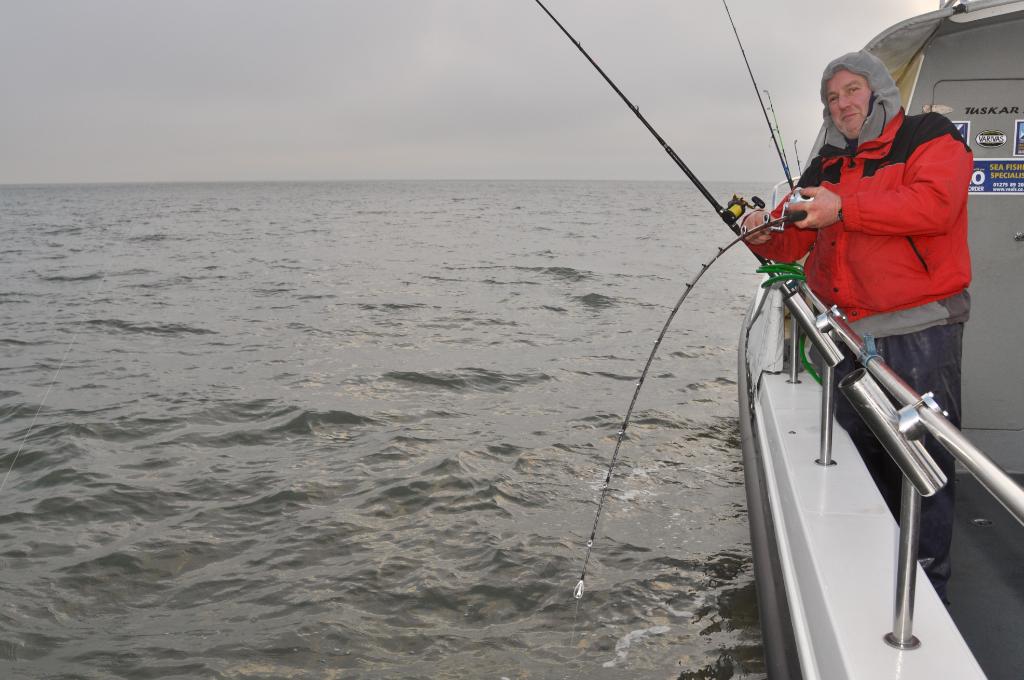
Winding the clock back thirty years takes us to 1995, the absolute peak of the truly outstanding cod fishing I and many thousands of sea anglers were privileged to experience each winter here in Wales. In those halcyon days it wasn’t a case of going fishing wondering whether or not you’d catch a cod or two, rather how many and how big would the fish be that you would catch.
On the very best days the only limit as to how many cod you would catch would be how much bait you had managed to obtain. Yes, ‘managed to obtain’; bait then had to be ordered from tackle shops days if not weeks in advance. At weekends tackle shop owners would often arrive to open their shops and find a queue of anglers waiting patiently outside, each hopeful at being able to buy fresh or frozen bait.
Today the cod fishing here in South Wales is all but non-existent. Simply catching a single cod anywhere is such an event that it gets reported far and wide on the various social media platforms. Whereas back in the 90’s boats would typically return to port with a crew of anglers having caught several dozens of fish, if a dozen boats fished today I would not expect to hear of a total of more than half a dozen being caught.
The cod have vanished from South Wales, just as they have at most other areas around the UK where once these most popular of species were regarded as being abundant throughout the winter months, so what can a sea angler expect to catch off the Welsh coast?
Thankfully the sea around the entire Welsh coastline has numerous species of fish to keep an angler occupied, right through the depths of winter. Unsurprisingly it will be boat anglers who have the greatest choice of species to target, but shore anglers can still find some great fishing.
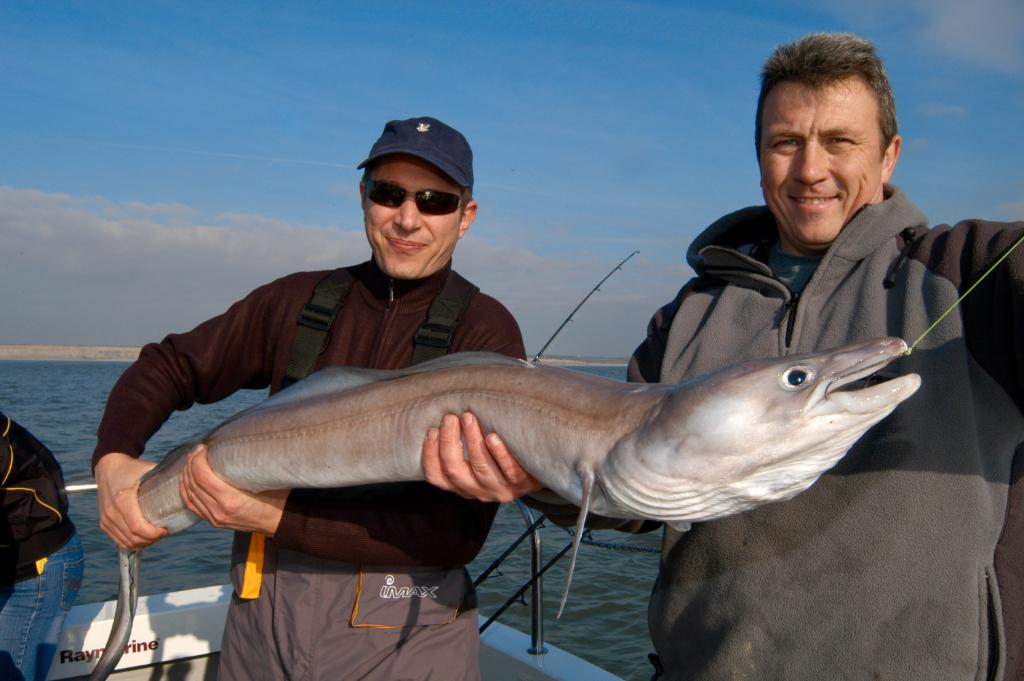
Throughout the winter months here in the Principality most boat anglers focus their attention on the stretch of coastline starting from just below the Severn Bridges, all the way west to the mouth of Milford Haven.
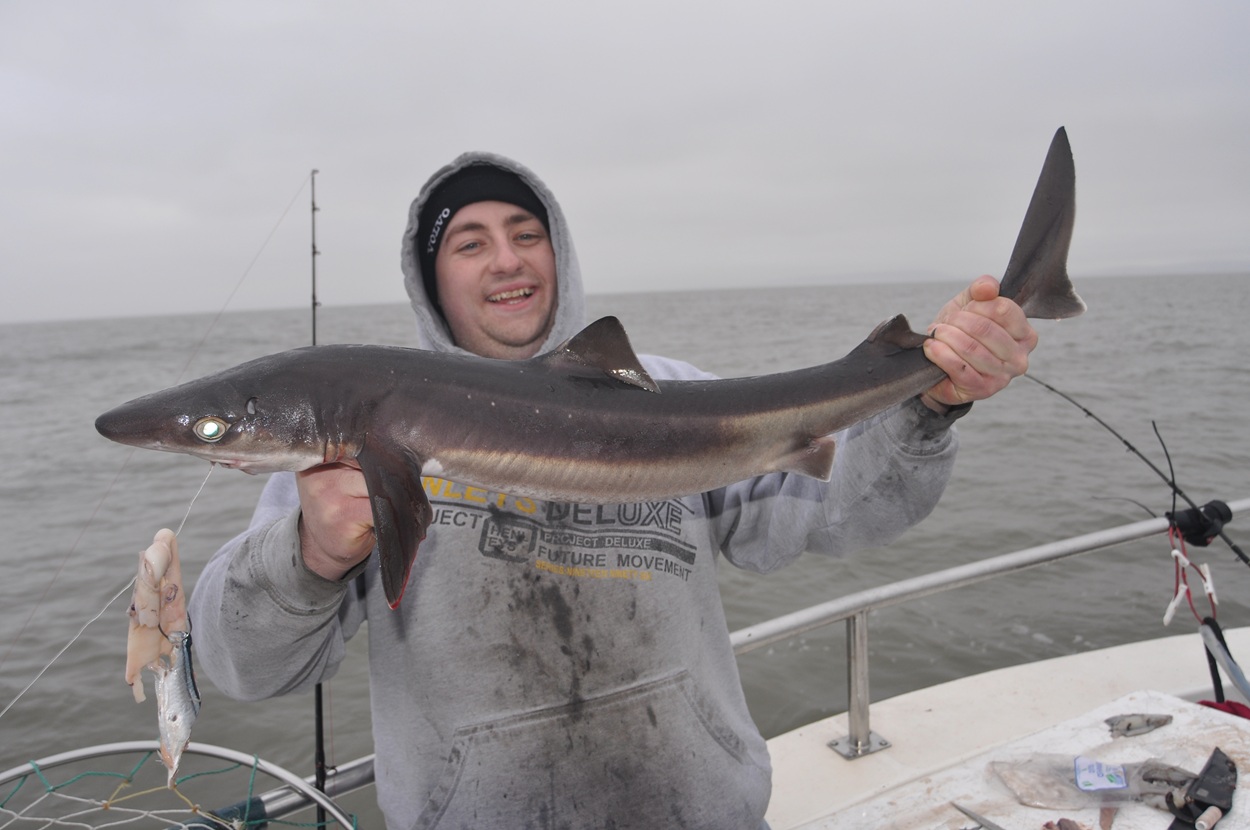
At this time of the year the most commonly caught species include conger eel, thornback and blonde rays, bull huss (below), spurdogs and of course, dogfish.
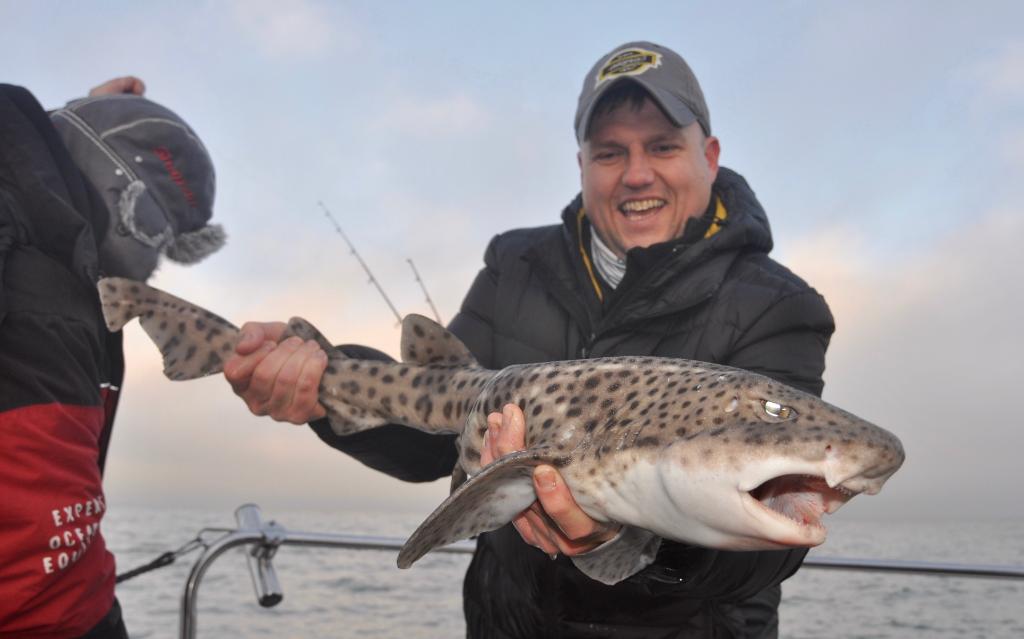
The most productive marks during the coldest months of the year tend to be in deep water in the middle of the Bristol Channel, where the sea temperature remains more stable. Given the enormous tidal range in the region, the best of these marks are only really fishable during small neap tides. That said, on larger tides fishing inshore over shallower ground can also be hugely productive, especially if the weather remain mild.
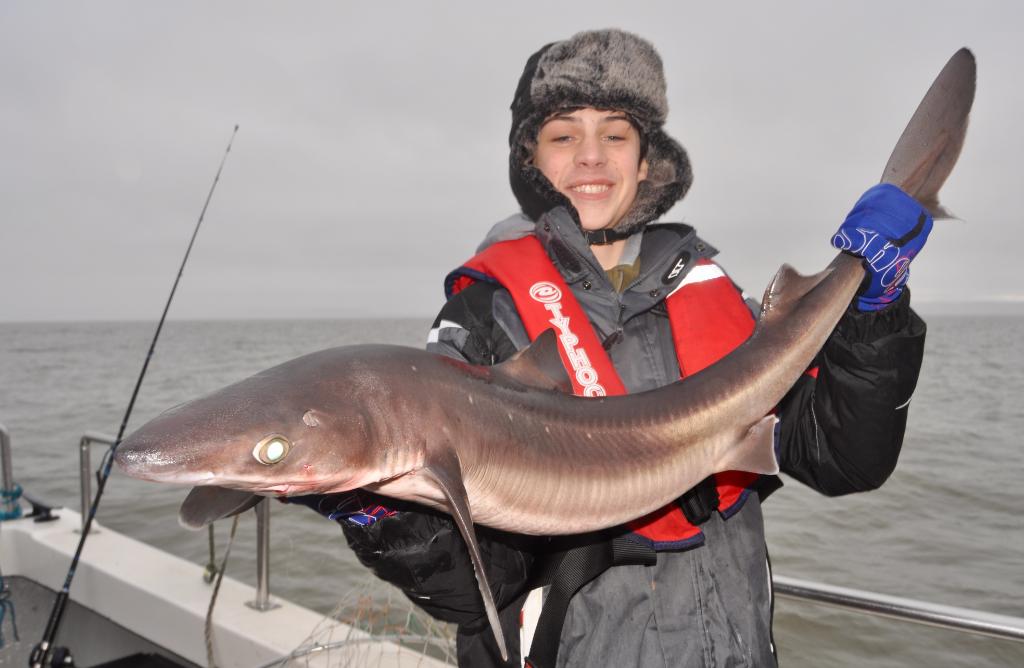
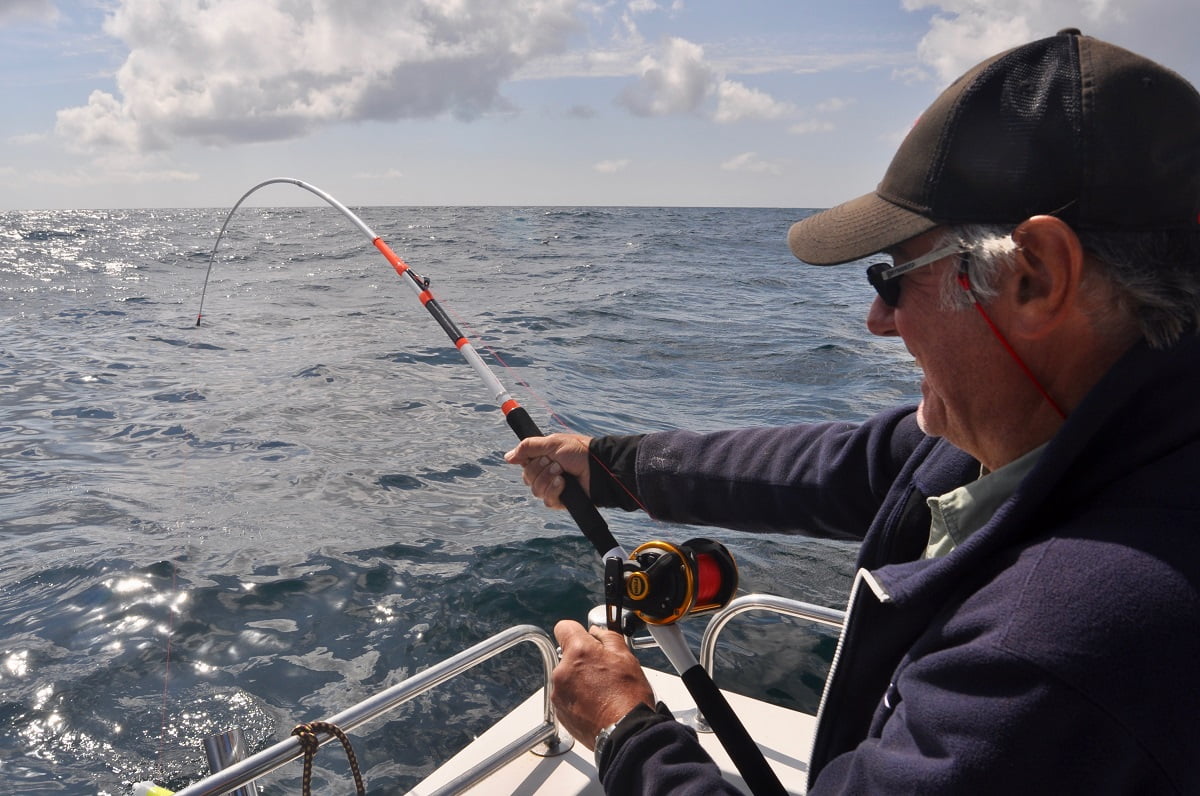
With the single exception of spurdogs (above) which often can be encountered in enormous packs feeding throughout the entire water column, all other species are predominantly bottom feeders. As a result baits intended for these species should be fished hard on the seabed. Typically you’ll be fishing depths around 80-100ft, which are on the effective maximum limit for uptiding. When this is the case downtiding will be the best option. A suitable outfit would include a 30lb boat rod matched with a decent multiplier reel loaded with around 30-50lbBS braid.
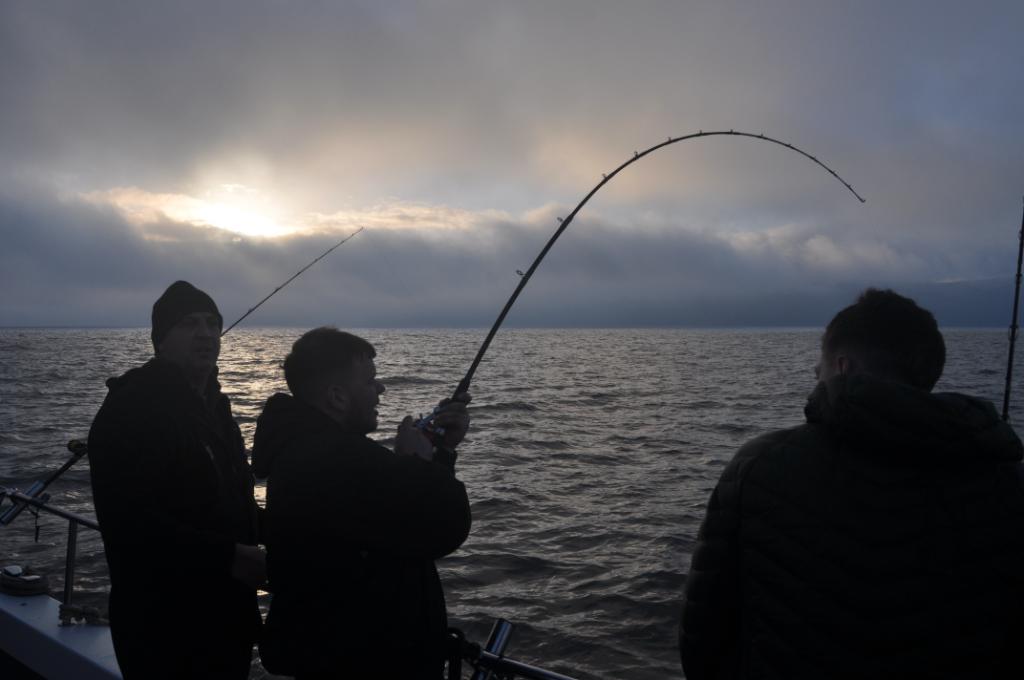
Nothing more than a simple running leger rig will be required, to present a large juicy bait. Several of these species have sharp teeth, all will put up strong resistance in even a modest run of tide.
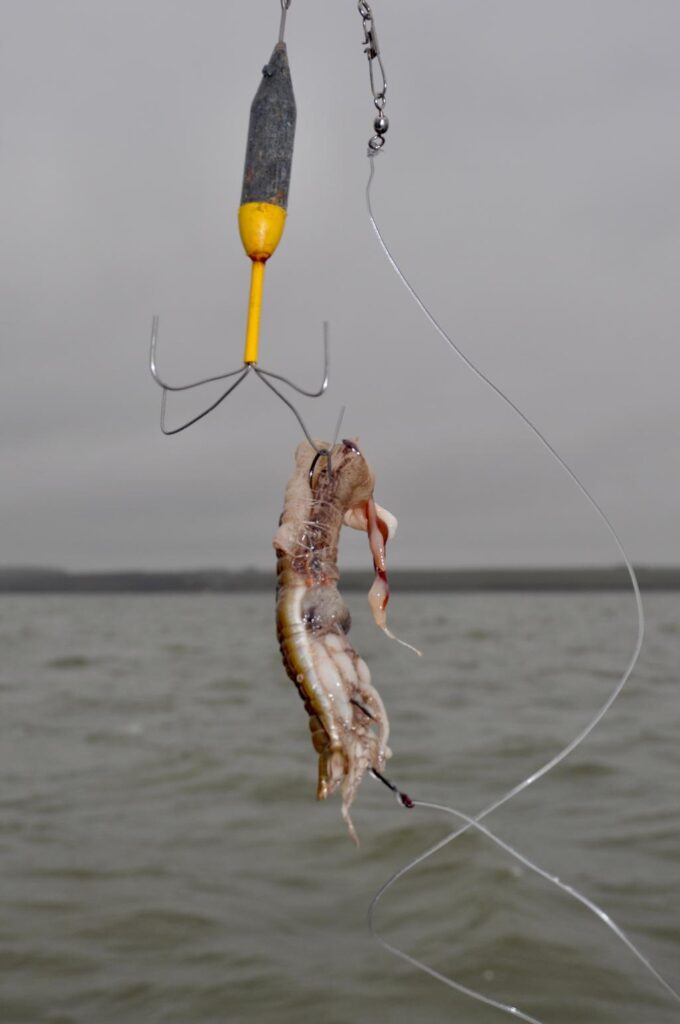
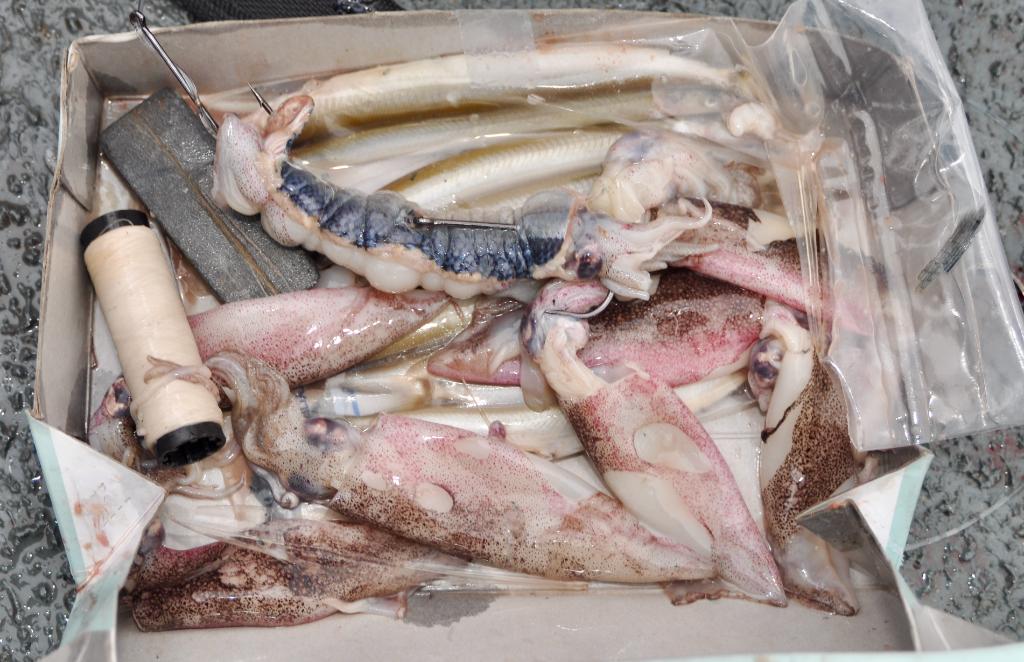
Consequently hook lengths should be cut from heavy monofilament of at least 60-80lb, and upwards of 100lbBS if spurdog are likely to be encountered. Baits are typically fish based and usually include squid and mackerel, along with several of the alternative baits increasingly found in tackle shops such as blueys, sardines, pilchards and anchovies. As long as it is large enough to emit a strong scent trail, most baits will catch fish.
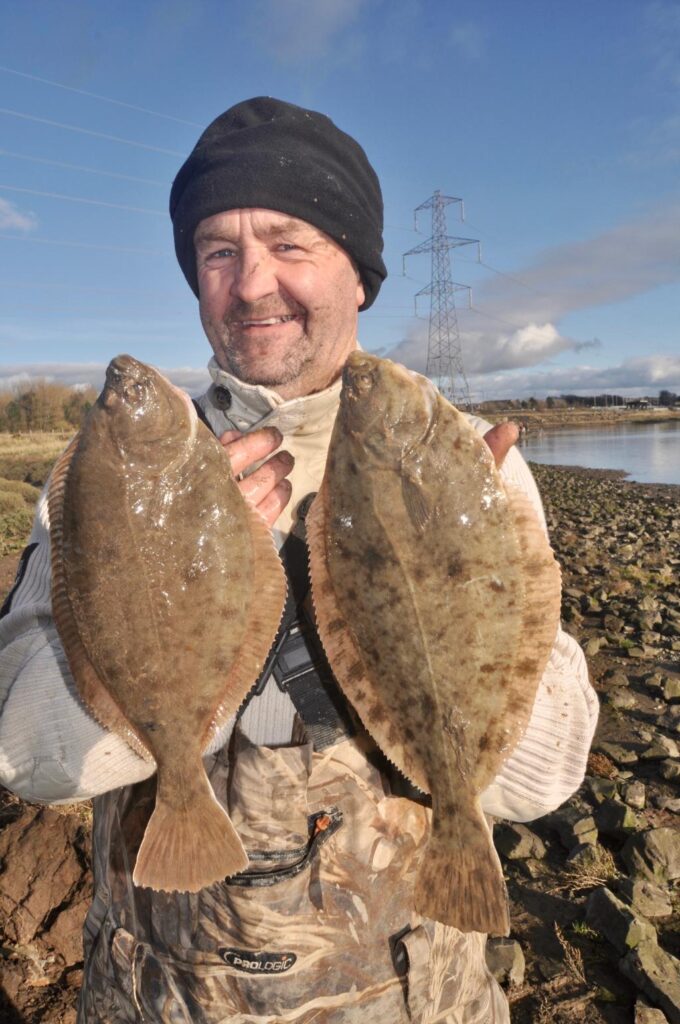
Shore anglers can experience good fishing at numerous locations during the dark depths of winter, all around the coast of Wales. Almost all tidal estuaries will produce flounder, often in large numbers to specimen size.
The most effective baits for flounder here in Wales are a bunch of harbour ragworm, which are widely referred to as mudworm. These can be obtained from many coastal tackle shops, usually to order.
Mudworm are nothing short of deadly for flounder, and many other species as well, including bass. Best of all, during the winter months the hordes of crabs that typically strip hooks bare of mudworm during the warmer months are not nearly so bad a problem. Peeler crab is another excellent bait for winter flounder, notably the larger fish.
Growing up and fishing from the shore of the Bristol Channel in the 1970s, the humble pouting were the mainstay of many winter sessions. However for whatever reason these all but disappeared for many years, but this year pouting have made a very welcome return the the Welsh shore angling scene.
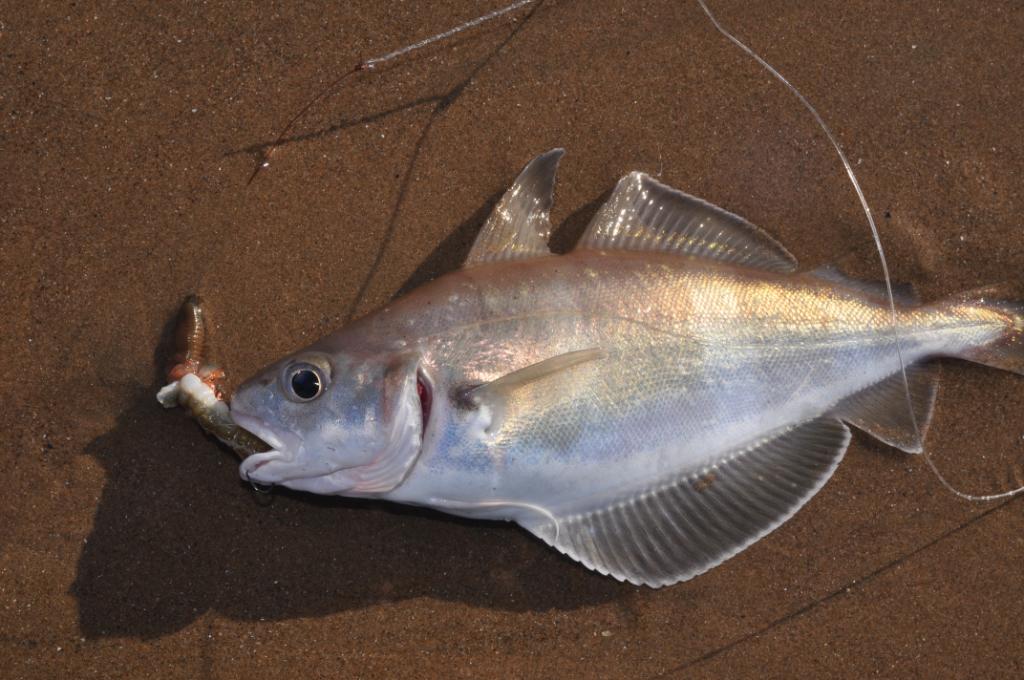
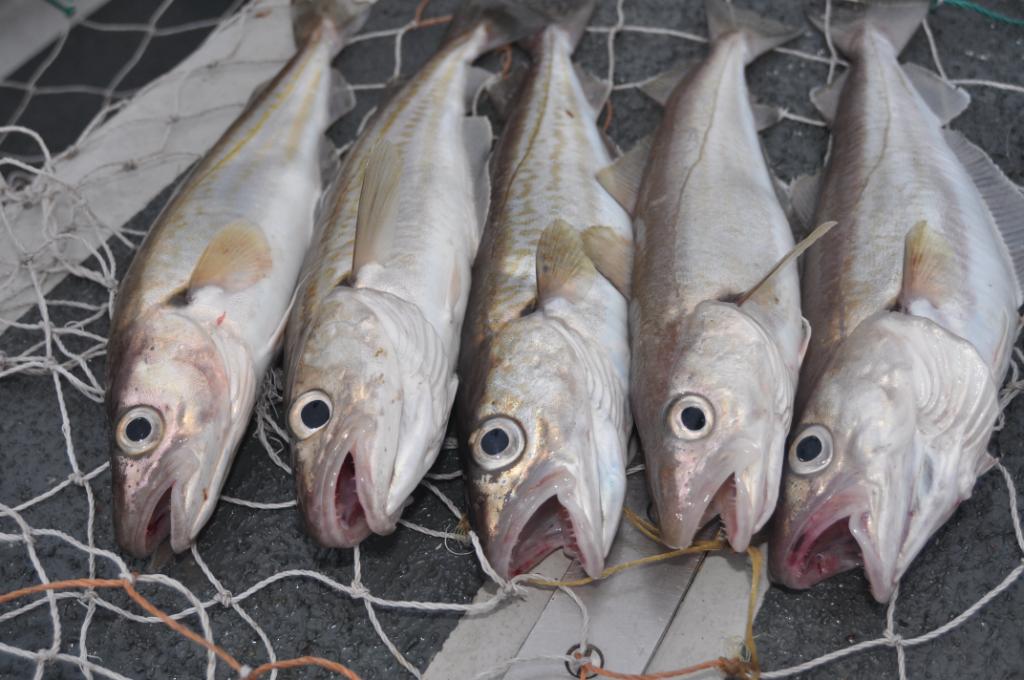
Whiting too, again once abundant, have featured strongly throughout the autumn. As I write hopes are high that fishing a nighttime high spring tide with two or three hook paternoster rigs baited with strips of mackerel, will once again produce those tasty fresh fish suppers of my younger days.
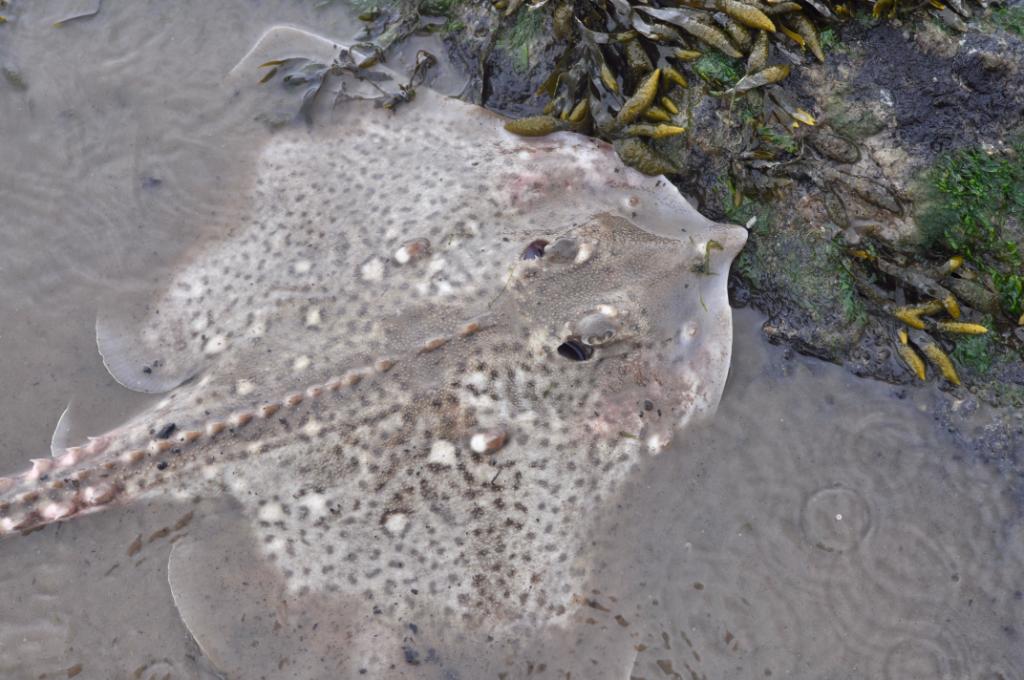
Shore anglers can catch several sizeable species throughout the winter months, notably the thornback ray which can be caught all around the Welsh coastline.
Fishing the many rock marks in west and north Wales will likely produce good catches of bullhuss, conger, dogfish and even on occasion spurdogs.
The best time to fish these marks is usually at night, so safety should always be a major consideration. Never fish these exposed and potentially hazardous venues alone, and never when there are waves or swell breaking at the rock edges. Be sure to tell somebody, ideally the local coast guard, exactly where you intend to fish and when you expect to return. Never rely on a mobile phone for communication, as often you’ll struggle to receive sufficient signal to make or receive calls when fishing beneath cliffs.

Winter still offers some of the most atmospheric and rewarding fishing of the year, and for those prepared to adjust expectations, fish thoughtfully, and fish safely, the wonderful Welsh coast continues to provide moments that remind us why we fell in love with sea angling in the first place.
Words & Images: Dave Lewis
Sea Fishing Wales' Top 10
I have been asked to write a blog profiling my favourite top ten fishing venues in Wales. On the face…
Read More
Take A Friend Fishing! 3rd of April to 19th of April 2026 inclusive
Make the most of Take a Friend Fishing this Spring, between Friday 3rd of April and Sunday 19th of April…
Read More
Cast into Spring: Fishing in Wales This Easter
As the days begin to stretch a little longer, spring arrives in Wales with a sense of renewed opportunities for…
Read More