Non-Native Invasive Species Week 2026: Protecting Welsh Fisheries Starts with Anglers
Every year, anglers across Wales enjoy some of the finest fishing opportunities in the UK, from wild trout streams and salmon rivers to stillwaters and canals. But these cherished waters face a growing threat from non-native invasive species (INNS), which can damage habitats, harm native wildlife, and impact the quality of our fishing.
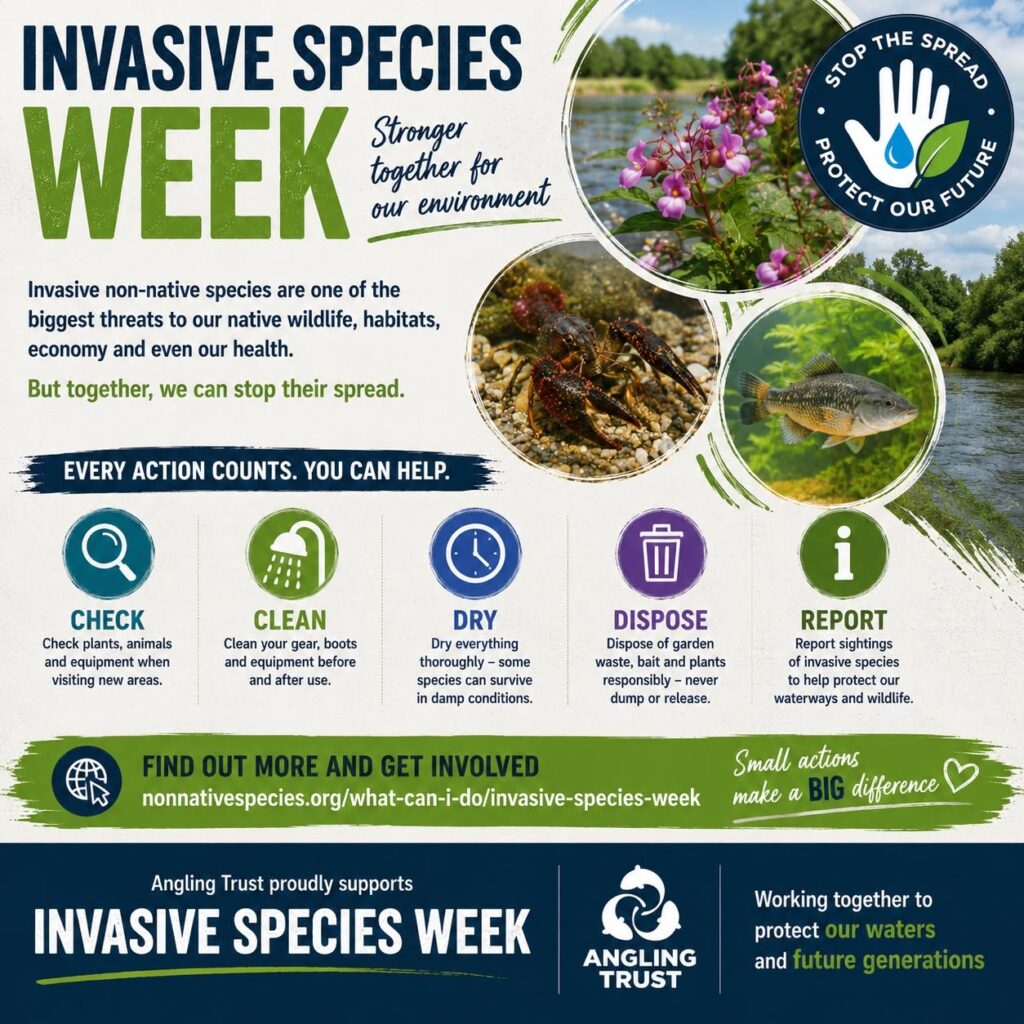
During Non-Native Invasive Species Week 2026 (22nd to 28th June) anglers have an important role to play in protecting Welsh fisheries for future generations.
What Are Non-Native Invasive Species?
Non-native invasive species are plants, animals, or pathogens that have been introduced outside their natural range and spread rapidly, causing environmental, economic, or social harm.
Many invasive species arrive accidentally through recreational activities, boating, fishing equipment, or the movement of water between sites. Once established, they can be extremely difficult and costly to control.
Why Should Anglers Care?
Healthy fisheries depend on healthy ecosystems. Invasive species can:
- > Compete with native fish and wildlife for food and habitat.
- > Alter river and lake environments.
- > Damage spawning grounds.
- > Block access to waterways.
- > Spread diseases and parasites.
- > Increase management costs for fisheries and angling clubs.
The result can be poorer fishing experiences and long-term damage to the waters we value most.
Invasive Species Affecting Welsh Waters
Several invasive species are already present in Wales and continue to spread.
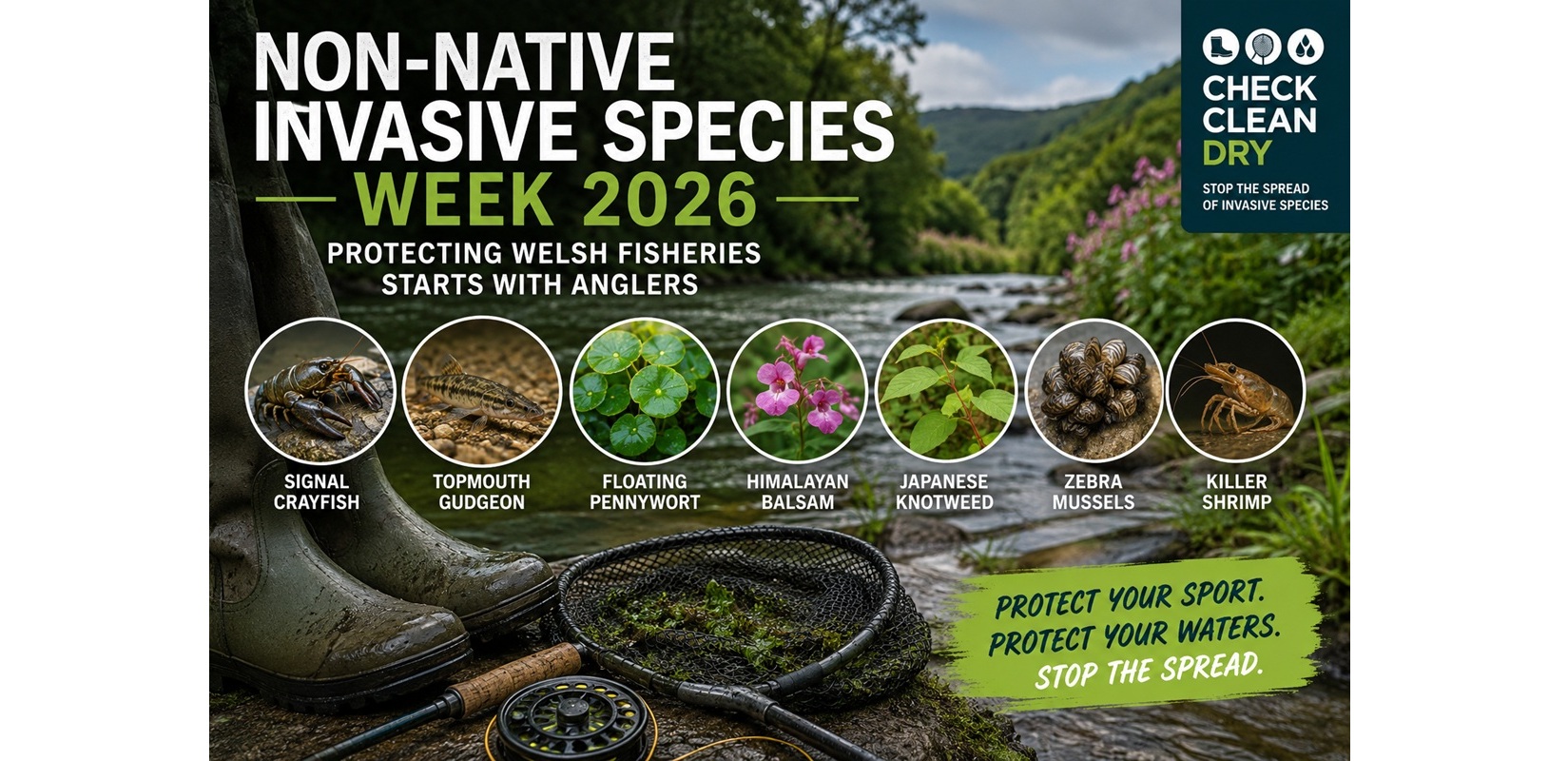
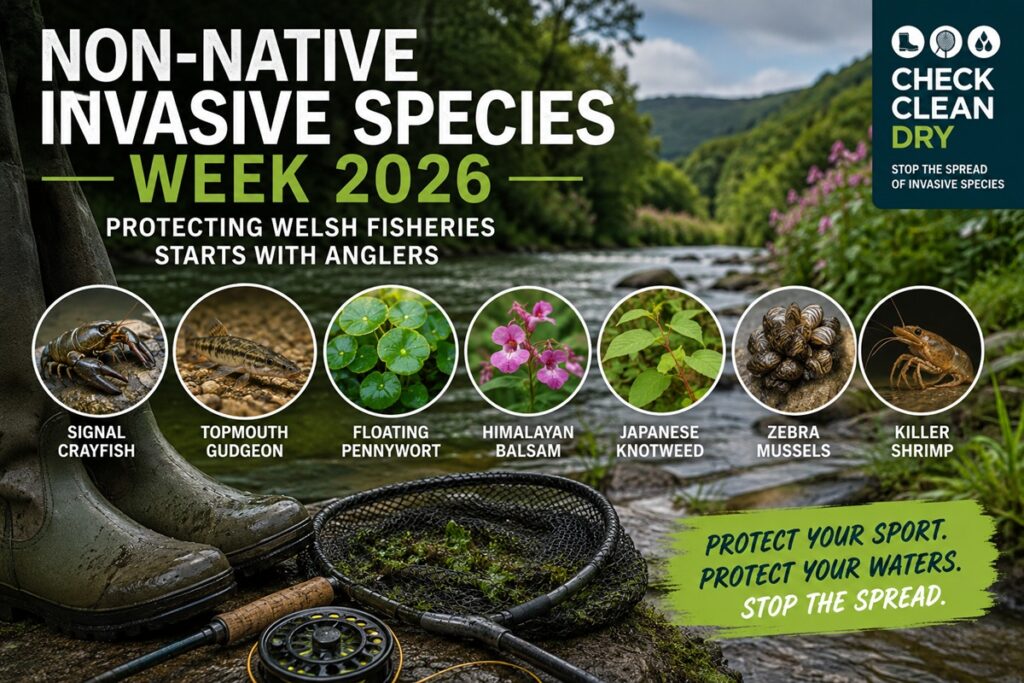
Floating Pennywort
This fast-growing aquatic plant can cover entire stretches of water, reducing oxygen levels and restricting access for fish and anglers alike.
Himalayan Balsam
Often found along riverbanks, Himalayan balsam outcompetes native vegetation. When it dies back in winter, riverbanks are left vulnerable to erosion, increasing sediment in rivers and affecting fish habitat.
Japanese Knotweed
One of the UK’s most well-known invasive plants, Japanese knotweed can dominate river corridors and cause significant environmental and management challenges.
Zebra Mussels
These small shellfish can rapidly colonise equipment, boats, and structures. They alter aquatic ecosystems and can be spread unintentionally between waters.
Killer Shrimp
A highly invasive freshwater crustacean, killer shrimp preys on native aquatic invertebrates and can disrupt the food chain that supports fish populations.
Signal Crayfish
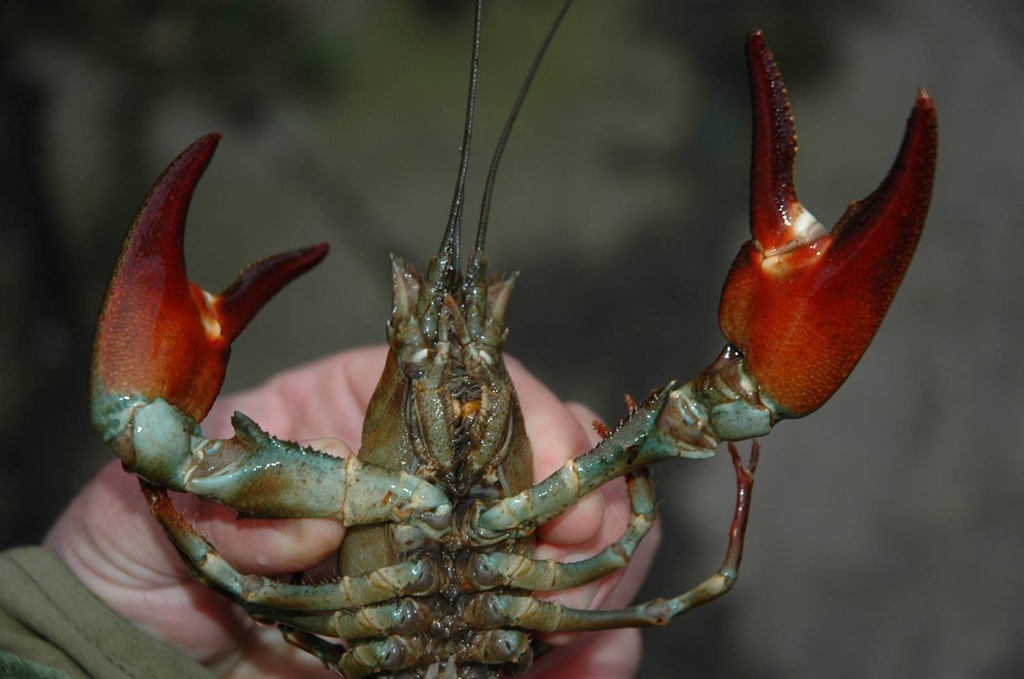
Originally introduced for aquaculture, signal crayfish have become one of the most problematic invasive species in UK rivers. They outcompete our native white-clawed crayfish, prey on fish eggs and aquatic insects, and can damage riverbanks through extensive burrowing. Their presence can reduce biodiversity and alter habitats.
Topmouth Gudgeon
Although small in size, topmouth gudgeon can have a major impact on fisheries. This invasive fish reproduces rapidly, competes with native fish for food, and can carry diseases and parasites that threaten other species. Because of these risks, significant efforts have been made across the UK to eradicate populations where they are found.
Images and more information on these species can be found HERE.
How Anglers Can Help
The good news is that anglers are one of the first lines of defence against the spread of invasive species.
Check, Clean, Dry
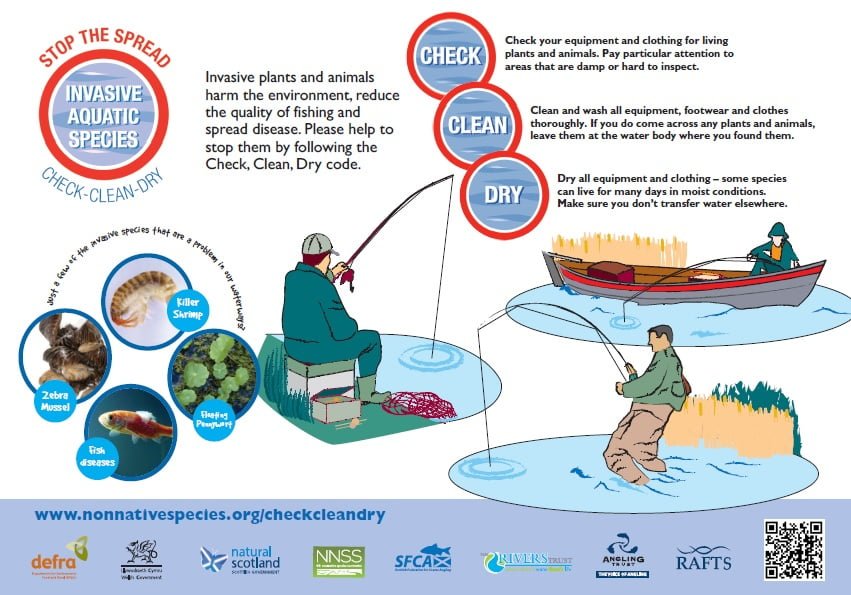
The most effective action every angler can take is to follow the Check, Clean, Dry biosecurity routine.
Check
Inspect clothing, boots, nets, unhooking mats, tackle, and vehicles for mud, plant material, or animals before leaving a site.
Clean
Wash equipment thoroughly using freshwater. Pay particular attention to waders, landing nets, keepnets, and boats.
Dry
Allow equipment to dry completely before visiting another waterbody. Many invasive species and aquatic diseases cannot survive prolonged drying.
This simple process significantly reduces the risk of spreading invasive species between fisheries.
Be Careful with Bait
Never release unused live bait into a waterbody. Dispose of bait responsibly and follow local fishery regulations.
Report and Record Sightings
If you spot an unfamiliar plant, animal, or suspect invasive species activity, report it to the relevant authorities. Early detection is one of the most effective tools for preventing establishment and spread. You can record sightings here.
Support Local Conservation Efforts
Many angling clubs, river trusts, and fisheries in Wales organise invasive species control projects. Volunteering for a balsam pull, river clean-up, or habitat restoration day can make a real difference.
Everyone Has a Part to Play
Anglers are uniquely placed to help protect Wales’ rivers, lakes, reservoirs, and canals. By adopting good biosecurity practices and remaining vigilant, we can help prevent the spread of invasive species and safeguard the future of our fisheries.
This Non-Native Invasive Species Week 2026, take a few extra minutes to Check, Clean, Dry your equipment and encourage fellow anglers to do the same.
Together, we can help keep Welsh waters healthy, productive, and enjoyable for generations to come.
Protect your sport. Protect your waters. Stop the spread of invasive species.
Salmon & Sea Trout – Fish Care & Photography Guide
As the season draws to a close, it’s more important than ever to handle salmon and sewin (sea…
Read More
October Fishing in Wales: Fish Species to Target This Autumn
Autumn fishing in Wales offers a wealth of opportunities, from hard-fighting river grayling, stillwater rainbow trout, to pike, perch, carp…
Read More
Lure fishing Llyn Tegid Bala Lake VIDEO
We visit the largest natural lake in Wales, Bala Lake (Llyn Tegid) armed with a spinning rod. We are after…
Read More