Tuna Sport Fishing Wales
Dave Lewis reports on the emergence of a rod and line tuna fishery off Welsh coasts; a huge draw for angling tourists looking to experience fishing for a truly epic sport fish.
On Sunday August 30th 2015 ‘Full Monty’, a private Arvor 250 owned and skippered by Graham Bevan, sailed from Milford Haven. Along with crewmen Mike Steer and Clive Jenkins the day’s plan was to fish for shark. Eventually they set up a drift 20-30 miles offshore in the Celtic Deeps, an area which consistently produces phenomenal numbers of blue and porbeagle shark and, albeit on very rare occasions, a mako or thresher shark.
Fishing in 400ft of water they set a spread consisting of five rods, and enjoyed a productive morning during which they released 10 blue sharks. Then, around 1 O’clock, the ratchet on the reel fishing a bait furthest from the boat screamed out; it was Mikes turn to take the rod. The fish took several hundreds of yards of line on its first run, and immediately it became apparent he was hooked up to something special. At first the crew thought it was a very big porbeagle.
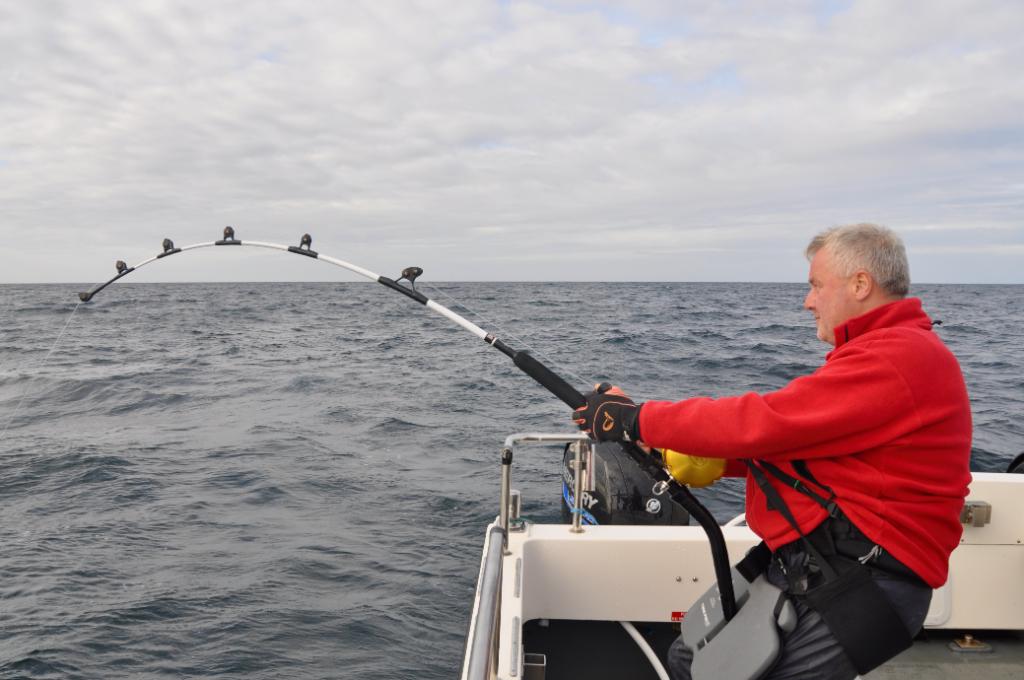
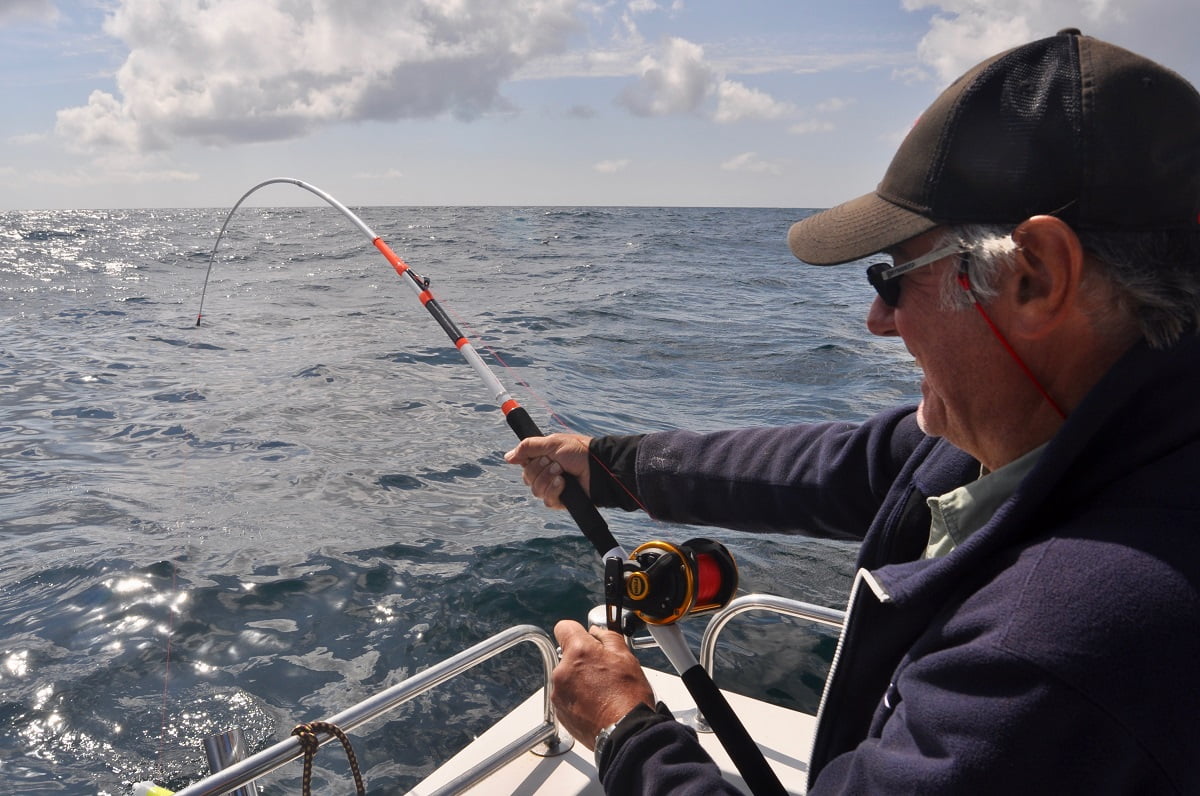
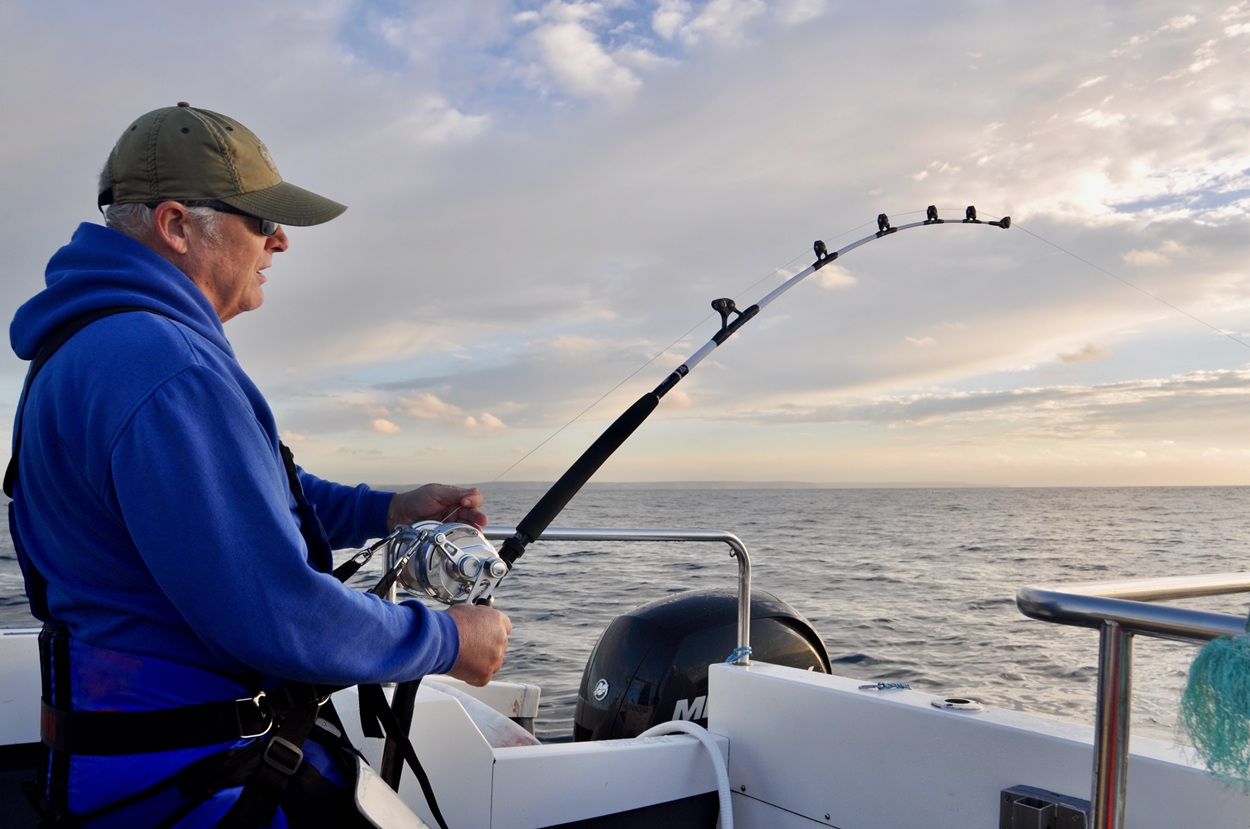
Luckily the fish had been hooked on a strong outfit consisting of a Shimano Antares 30-50lb class boat rod matched with a Shimano TLD 50 2-speed loaded with 70lb BS line, and rigged with a 16/0 Mustad circle hook. Bait was a whole mackerel.
The fight lasted around three and a half hours, but it wasn’t until the fish had been brought close to the boat did they realise it was not a big shark, but a very big tuna. That fish, which was estimated at weighing in the region of 250-300lb, was almost certainly the first bluefin tuna ever caught off the coast of Wales.
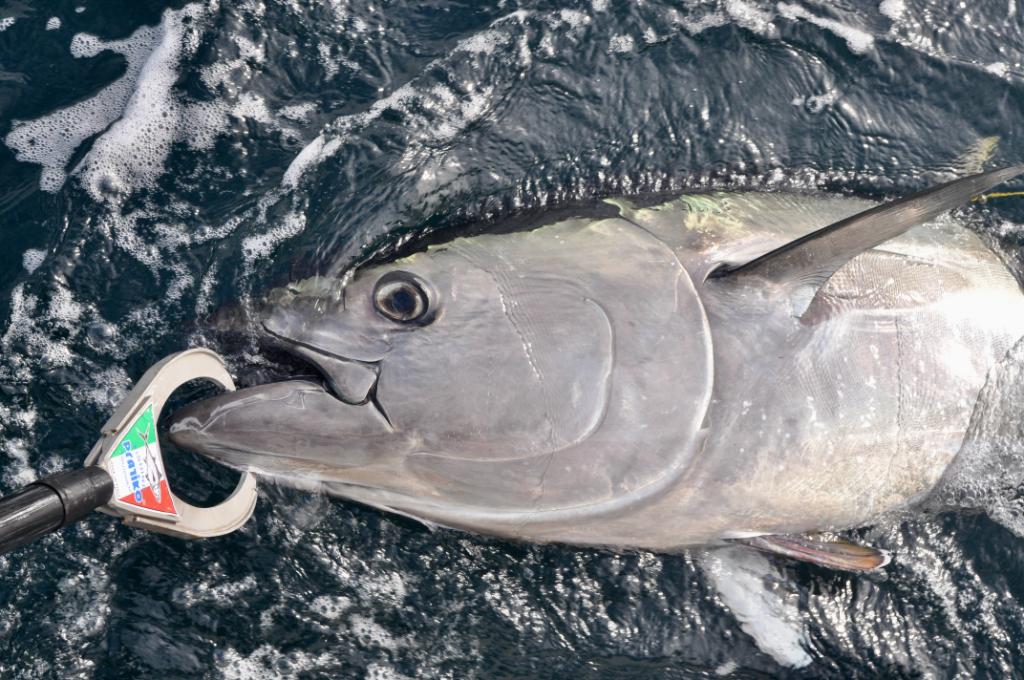
During the following years more and more bluefin tuna were seen and occasionally caught off the coast of Wales, but there was a problem, a very big problem. Unlike elsewhere throughout their range where tuna are caught, notably in Europe, at the time the UK did not have an allocated quota for the species. Targeting bluefin tuna either commercially or aboard recreational boats was illegal.
With increasing numbers of fish showing up in UK waters each summer, and large schools often remaining inshore right through until the New Year, it was hardly surprising that anglers wanted to be able to legally fish for them; anglers such as Steve Murphy.
Along with a small group of friends Steve set about navigating his way through copious layers of bureaucracy to establish a legal UK sport fishery for bluefin tuna, personally devoting a considerable amount of time, effort and money while working tirelessly with politicians, scientists and the wider sport fishing community. As a direct result of Steve’s work today anglers today can legally fish for tuna in the UK, and more specifically off the coast of Wales.
A History of port fishing for bluefin tuna
Sport fishing for bluefin tuna is nothing new in the UK, it has absolutely nothing to do with climate change. Throughout several decades during the last century fishing for tuna, or tunny as they were then known, was hugely popular off the north east coast of England in the North Sea.
The first English bluefin tuna caught on rod and line was taken off the Yorkshire coast at Whitby in August 1932, and the following year the British Tunny Club was founded in Scarborough. Fishing off Scarborough the likes of wealthy aristocrats and military officers fished for tuna, sorry tunny, using six foot six inches long rods made from exotic woods imported from around the British Empire such as hickory, bamboo, lancewood and greenheart, along with huge winch like reels produced by companies such as Hardy. Typically based aboard a mothership the anglers or ‘sports’ fished aboard small open dories, which were rowed by a ‘boatman,’ in close vicinity to commercial boats as they hauled their nets.
Once hooked up the ensuing battles routinely lasted for several hours, with the dory being pulled several miles from the point of hook up. This from the Scarborough Evening News, August 1932: “It was the biggest fish I have ever seen”’ said Mr Harold Hardy, the local angler who was with the party when discussing the battle this morning. “It put up the best fight I have ever experienced”. Mr Hardy said the struggle lasted 7 hours and 10 minutes before the fish was got alongside. Preparations were being made to gaff it the line being ‘let off’ in the meantime. “I think the man was just a little too quick in making the strike with the gaff, he missed and the fish gave a plunge in a sort of last dying fling. It snapped the line and was lost. It was considerably above anything which has ever been caught with rod and line. The fish was close on 16 feet long and during the fight towed the boat many miles.”
One of these fishermen was Lorenzo Mitchell-Henry, who pioneered bluefin tuna fishing in Nova Scotia. Mitchell-Henry designed specialist tunny-fishing equipment and developed tunny fishing techniques, which he wrote about in his book ‘Tunny Fishing at Home and Abroad’. In 1933 Mitchell-Henry caught the then world record, with a 851lb he boated off Whitby.
Following the Second World War bluefin were caught in the North Sea until the 1950s, by which time vastly increased and improved mechanism within the commercial fishing fleet had decimated the once huge shoals of herring and mackerel that had attracted the tuna in the first place. The last tunny reported from the North Sea was taken in 1954 by a Mr Herbert Weatherly, and the British Tunny Club held its last meeting in May 1956. With no food there were no tuna, it was as simple as that.
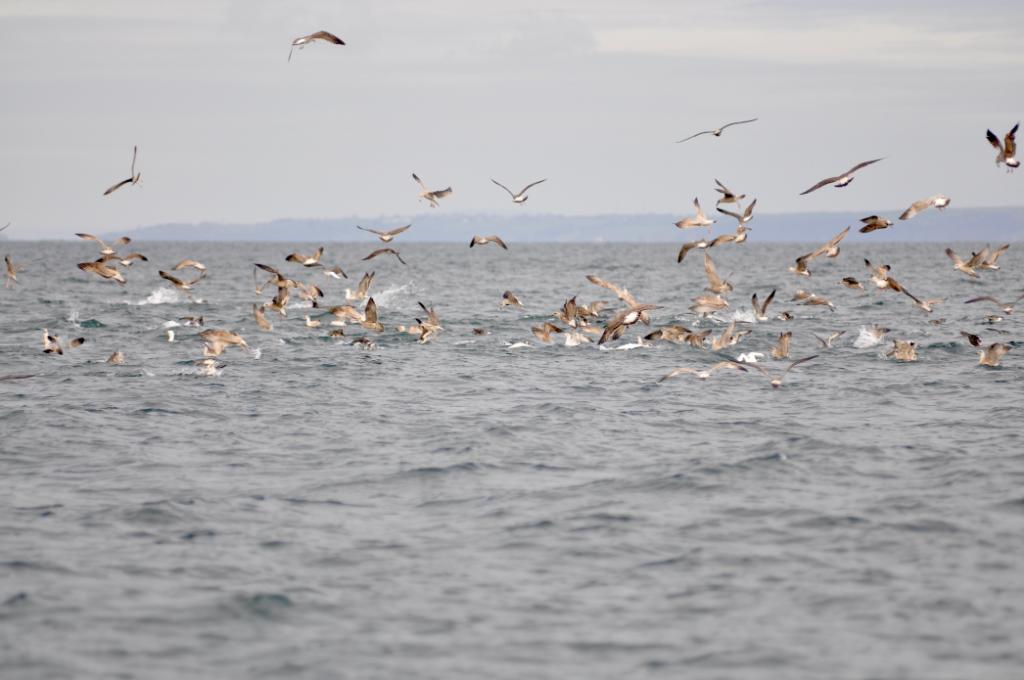
Tuna fishing in Wales – Incredible opportunities!
That such fishing is now available for anglers off the coast of Wales is to me truly amazing. Certainly this is not something I ever envisaged I’d experience in my lifetime. Today the average size of tuna caught around the British Isles, and especially off the coast of Wales, is still consistently very large. Few fish weighing less than 100lb are caught, most bluefin are estimated by length to weigh somewhere between 200-400lb.
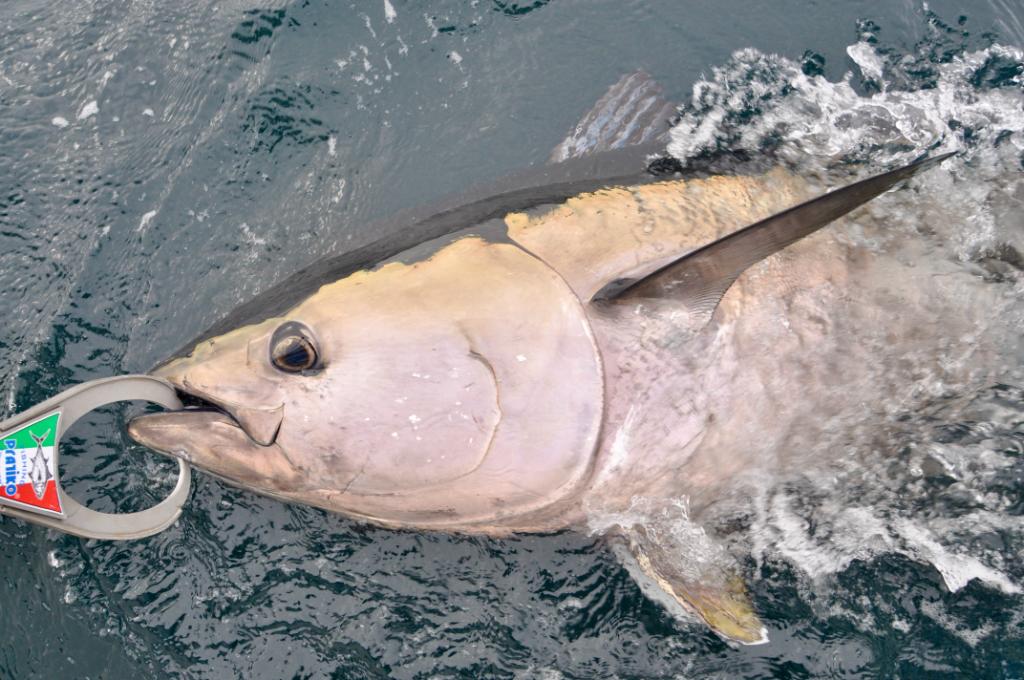
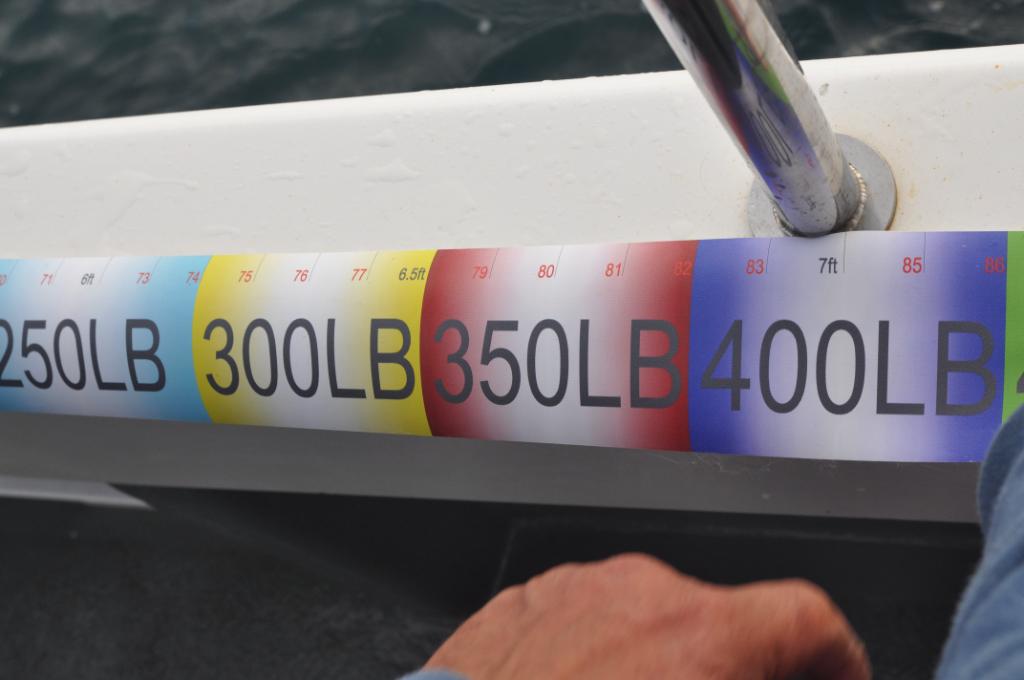
Fish in excess of 500lb are encountered frequently, and fish estimated at weighing well over 800lb and possibly even 1000lb have been hooked and released off the Welsh coast. This is strictly a catch and release fishery, all tuna must be released. No tuna are allowed to be boated. An estimate of a fish’s weight is taken from measurements against a weight to length scale provided to licenced boats.
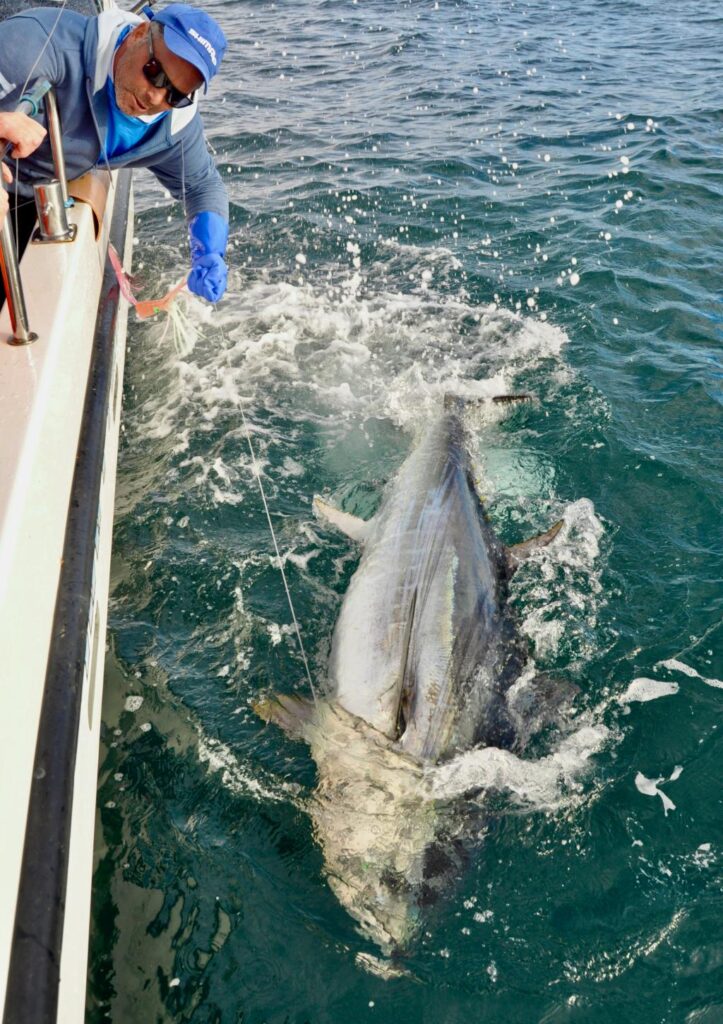
Quite clearly there has been much interest from anglers wanting to experience the thrill of of big game fishing, without having to invest in either the time or expense of jetting off to the tropics in order to do so.
Wales held its first recreational catch-and-release fishery in 2024. In 2025 eight permit-holding charter vessels were allowed to catch and release tuna off the Welsh coast between 1st August 2025 – 31st December 2025.
Only boats with a specific tuna fishing licence are allowed to specifically target tuna. The crews of these licenced boats have received specialist training on how to fish for and, more importantly, ensure a healthy release of each individual fish caught.
Clearly having such a magnificent fishery available off the Welsh close will have a hugely positive impact on tourism. Certainly anglers will travel from all around Europe and beyond to experience the thrill of fighting one of the worlds truly great species of sport fish.
Licenced Tuna Charter Boats in Wales: **
Lady Jen – Rob Rennie – www.customcharter.co.uk
WhiteWater II – Andrew Alsop – andrew@whitewatercharters.co.uk
Ebony May – Stuart Denman – www.saundersfootseafishing.co.uk
Blue Shark – Padrig Rees – www.fishing-pembrokeshire.co.uk
Legend of New Quay – Tim Harrison – www.epicfishingtrips.co.uk
Highlander II – Tony Bruce – www.charterboats-uk.co.uk/highlander-portmadog
Odyssey – Luke Evans – www.odysseyseaadventures.com
Upholder – David Jones – www.angleseyfishingandboattrips.com
Word & Images: Dave Lewis
*The photos which illustrate this blog were taken during a trip off the coast of South Devon.
**Approved licenced tuna angling charters are subject to changing annually, depending upon applications received.
Fishing the Deepest Lake in Wales - VIDEO
We visit the deepest lake in Wales – Llyn Cowlyd – a wild and remote lake in the Carneddau mountains…
Read More
Autumn Prospects: Fishing in Wales
After an exceptionally hot and very dry summer, autumn is finally beginning to make its presence felt across Wales.
Read More
Coarse Fishing at Llandegfedd Reservoir VIDEO - Big Water Feeder Fishing Tips & Tactics
We join Dave Healey on Llandegfedd Reservoir for a day on the perch, roach, bream and hybrids that are…
Read More